Botswana Safari
Botswana Safari: A Comprehensive Travel Guide
Wildlife, landscapes, photography tips, and everything you need to know before you go
Why Botswana?
Botswana is the Africa of your imagination. Vast, wild, and unapologetically raw. It's a country where the landscape stretches endlessly in every direction, where the wildlife roams freely, and where the nights are so dark you can see the Milky Way sprawled across the sky like a river of stars.
I've been fortunate enough to photograph some incredible places, but Botswana holds a special place in my heart. It's not just the animals — though they are spectacular — it's the feeling of being there. The quiet of the bush. The heat of the sun on your skin. The anticipation of what might appear over the next rise.
This guide is designed to help you plan your own Botswana safari. Whether you're dreaming of seeing elephants at a watering hole, photographing leopards in the trees, or simply experiencing one of Africa's most pristine wilderness areas, I'll walk you through everything you need to know.
If you're travelling to Botswana, consider getting an eSIM from Airalo to stay connected without relying on expensive roaming or local SIM cards.
Best Time to Visit Botswana
Timing is everything on safari. The dry season (May to October) is generally considered the best time to visit Botswana, particularly for wildlife viewing. During these months, the vegetation thins out, water sources become scarce, and animals gather around rivers and waterholes, making them much easier to spot.
If you're a photographer, the dry season also offers the best light. The skies are clearer, the sunsets more dramatic, and the dust in the air adds a beautiful golden quality to the light during the golden hours.
Seasonal Breakdown
- Dry Season (May–October): Best for wildlife viewing. Cooler temperatures, sparse vegetation, animals gather around water sources.
- Green Season (November–April): Lush landscapes, migratory birds, stunning skies. Some roads may be difficult to access due to rain.
- Shoulder Months (April & November): A great balance — good wildlife viewing with fewer crowds.
How to Get to Botswana
Most international visitors fly into Sir Seretse Khama International Airport (GBE) in Gaborone, or Maun Airport (MUB) — the gateway to the Okavango Delta. From Europe, there are direct flights from London to Gaborone with Air Botswana, or you can fly via Johannesburg with South African Airways.
For the best flight deals, I recommend using Omio or Viator to compare prices and routes. If you're flying from elsewhere in Africa, there are regular connections from Johannesburg, Cape Town, and Windhoek.
Visa Information
Many nationalities can enter Botswana visa-free for up to 90 days. However, you should always check the latest visa requirements before you travel.
Where to Go in Botswana
Botswana is a vast country with several distinct regions, each offering a unique safari experience. Here are the highlights:
1. The Okavango Delta
The Okavango Delta is one of the most extraordinary places on Earth. It's a 15,000-square-kilometre wetland in the middle of the Kalahari Desert, created by the Okavango River flowing from Angola. The delta floods seasonally, creating a labyrinth of channels, lagoons, and islands that are teeming with wildlife.
This is the place for water-based safaris — think mokoro (dugout canoe) trips through the reeds, watching elephants wade through the shallows, and the sound of hippos grunting in the distance.
2. Chobe National Park
Chobe is famous for its massive elephant herds — sometimes numbering in the hundreds. The Chobe River forms the northern boundary of the park, and game drives along the riverfront offer incredible opportunities to see elephants, buffalo, lions, and a huge variety of birdlife.
If you have time, take a river cruise at sunset. Watching the elephants swim across the river against a backdrop of orange and gold is an experience you'll never forget.
3. Mashatu Game Reserve
Mashatu is a private reserve in the eastern part of Botswana, near the border with South Africa. It's known for its dramatic landscapes — baobab trees, rocky outcrops, and the iconic "Mashatu Tree" — and its excellent leopard sightings.
This is where we spent most of our time, and it's a place I'd go back to in a heartbeat. The reserve is vast and you feel a sense of isolation that's hard to find elsewhere. You can book Botswana safaris and game drives on Viator to explore these incredible locations.
Where to Stay
Botswana has a range of accommodation options, from luxury safari lodges to more basic campsites. Here's what you can expect:
- Safari Lodges: High-end, all-inclusive, with excellent guides and facilities. Perfect for those who want a comfortable, hassle-free experience.
- Tented Camps: Often mobile or semi-permanent, these offer a more immersive experience. You're closer to the sounds of the bush and the stars at night.
- Camping: For the adventurous, self-drive safaris with camping are a great way to experience Botswana on a budget. You'll need to be self-sufficient and comfortable with basic facilities.
You can search for accommodation in Botswana on Booking.com to find options that suit your style and budget.
What to Pack for a Botswana Safari
Packing for a safari requires a bit more thought than a typical holiday. Here's my essential packing list:
Clothing
- Neutral-coloured clothing: Khaki, olive, beige — these help you blend in and avoid attracting attention from wildlife.
- Layers: Mornings and evenings can be cold, even in the dry season. A fleece and a lightweight jacket are essential.
- Long sleeves and trousers: These protect you from the sun and insects.
- A wide-brimmed hat and sunglasses: The African sun is intense.
Camera Gear
This is where things get serious. A safari is a photographer's dream, and you'll want to be prepared:
- A telephoto lens: 200–600mm is ideal for wildlife. You'll be shooting from a distance, and a good zoom is essential.
- A wide-angle lens: For landscapes, sunsets, and the vastness of the delta.
- A sturdy tripod or monopod: For stability, especially in low light.
- Spare batteries and memory cards: You'll shoot more than you think. Extra batteries are a lifesaver.
- A lens cleaning kit: Dust is inevitable. A cleaning kit is essential to keep your gear in top condition.
If you're looking to upgrade your gear before your trip, here are some recommendations:
- Sony 200-600mm f/5.6-6.3 G OSS — a fantastic wildlife lens
- Tamron 28-75mm f/2.8 — versatile and sharp
- 3 Legged Thing Tripod — sturdy and reliable
Camera Care Tip
Dust is the enemy of camera gear in Botswana. Always carry a rocket blower and lens cleaning wipes. When switching lenses, do it quickly and inside a vehicle if possible to avoid dust getting into your camera.
Health & Safety
Botswana is a safe and welcoming country, but as with any travel, there are a few things to keep in mind:
Health
- Malaria: Botswana is a malaria risk area. Consult your doctor about anti-malarial medication before you travel.
- Vaccinations: Ensure your routine vaccinations are up to date. Yellow fever vaccination may be required if you're travelling from a high-risk area.
- Water: Drink bottled or filtered water. Avoid tap water.
- Sun protection: The sun is intense. Use sunscreen, wear a hat, and stay hydrated.
Before you travel, make sure you have comprehensive travel insurance. I use EKTA Travel Insurance — it's reliable, affordable, and covers the unexpected.
Safety
- Follow your guide: Your guide knows the area and the animals. Listen to their instructions.
- Stay in the vehicle: On game drives, never get out of the vehicle unless your guide says it's safe.
- Keep a safe distance: Wild animals are unpredictable. Stay calm and quiet.
- Be mindful of your surroundings: In camp, be aware of what's around you. Stick to well-lit areas at night.
Botswana Photography Tips
Botswana is a photographer's paradise. Here are some tips to help you get the most out of your images:
1. Shoot During Golden Hour
The light in Botswana is at its best during the first and last hours of the day. The low angle of the sun creates long shadows, warm tones, and a beautiful golden glow that makes everything look magical. This is when you'll get your most memorable images.
2. Use a Fast Shutter Speed
Wildlife moves fast, and you'll want to freeze the action. A shutter speed of 1/500 or faster is ideal for most animals. If you're shooting birds in flight, aim for 1/1000 or faster.
3. Focus on the Eyes
In wildlife photography, the eyes are everything. A sharp focus on the eyes makes the image feel alive and engaging. Use single-point autofocus and place it on the eye of your subject.
4. Include Context
Don't just shoot tight portraits. Wide-angle shots that include the environment — the baobabs, the water, the vastness of the landscape — tell a fuller story.
5. Be Patient
Some of the best images come from waiting. Find a good spot, settle in, and watch. Animals will often come to you.
My Botswana Experience
I've been lucky enough to visit Botswana leading a photography workshop, the country has left its mark on me in a different way.
One of my most memorable experiences was at Mashatu Game Reserve, where I had the privilege of photographing leopards in the wild. These elusive cats are notoriously difficult to find, but in Botswana, they seem to have a certain confidence — a willingness to be seen, if only for a moment.
I remember sitting in the vehicle, waiting, watching. The heat shimmered off the dry earth. A leopard emerged from behind a baobab tree, its spots perfectly camouflaged against the dappled light. It paused, looked directly at us, and then disappeared back into the bush. It was over in seconds, but it felt like an eternity.
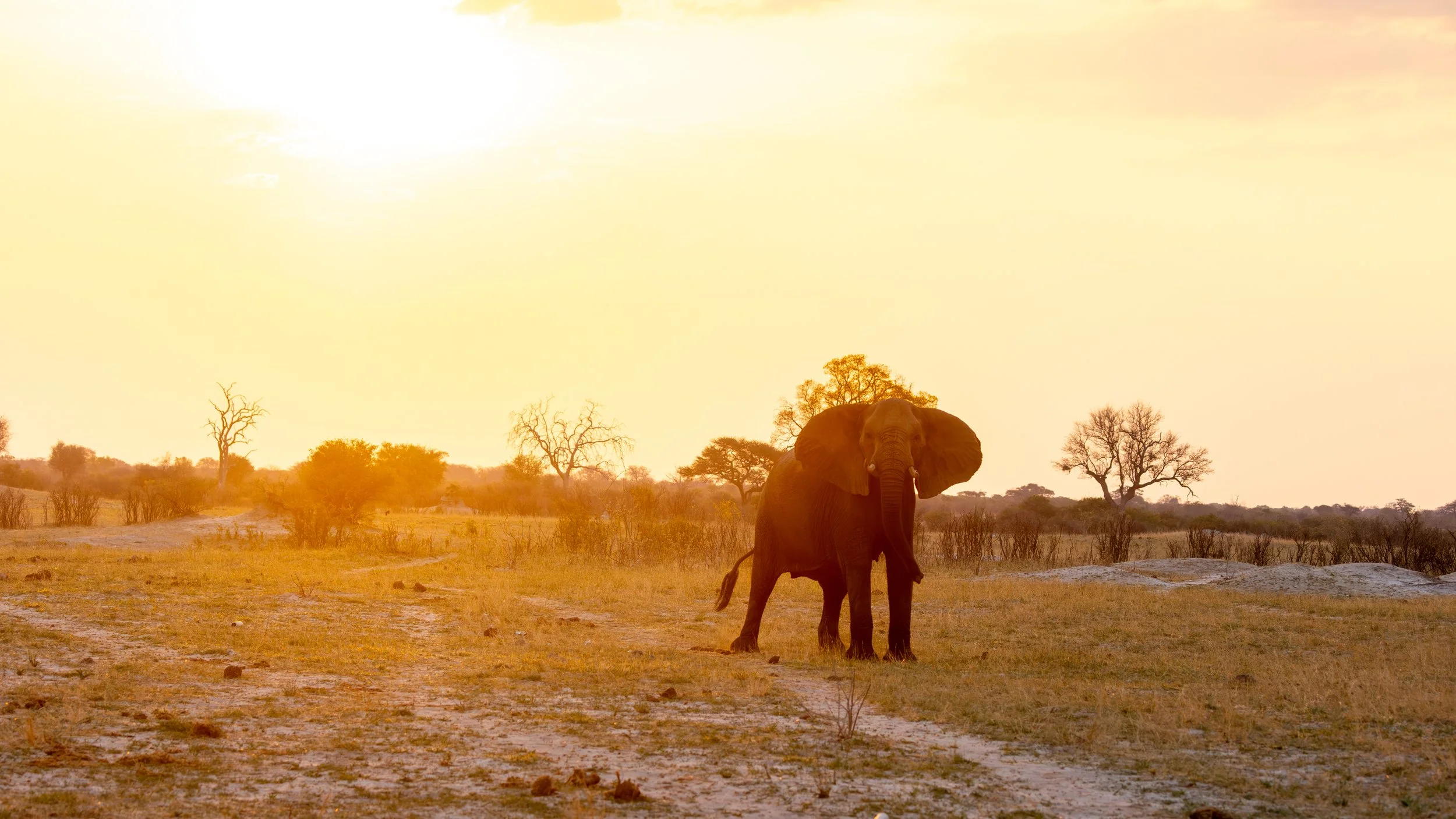
And then there are the elephants. Botswana has one of the largest elephant populations in Africa, and seeing them in their natural habitat is awe-inspiring. Whether it's watching a family bathe in the Chobe River at sunset or seeing a lone bull silhouetted against the dust, these moments stay with you.
Responsible Travel in Botswana
Botswana is a model for responsible tourism in Africa. The government has embraced a high-value, low-impact approach, which means that tourism revenue directly contributes to conservation and local communities.
Here's how you can travel responsibly in Botswana:
- Choose eco-friendly lodges: Many safari lodges operate with a strong commitment to sustainability and local employment.
- Support local businesses: Buy from local markets, hire local guides, and eat at local restaurants.
- Leave no trace: Take all your rubbish with you. Don't disturb the wildlife.
- Respect the rules: Stay on designated roads and follow your guide's instructions at all times.
🌍 Join a Photography Workshop
Experience the world through a photographer's lens. Small groups, expert tuition, and the trip of a lifetime — from the golden dunes of Namibia to the wild heart of Botswana.
Explore Workshops →