Patagonia: Chile vs Argentina. Which Should You Visit?
Two sides of the same extraordinary landscape, and very different ways to experience it with a camera.
There is no shortage of extraordinary landscapes in Patagonia. But when you start planning a trip, one question comes up again and again: should you head for the Chilean side, the Argentine side, or make time for both?
Why the answer depends on your photography
Ask two photographers what Patagonia looks like and you might get two completely different answers. One might describe granite towers rising behind turquoise lakes. Another might picture the serrated skyline above El Chaltén and trails leading into the mountains. Both are Patagonia. The question is not which country wins. It's what you most want to photograph, how much time you have, and how you enjoy travelling.

Chilean Patagonia: Torres del Paine
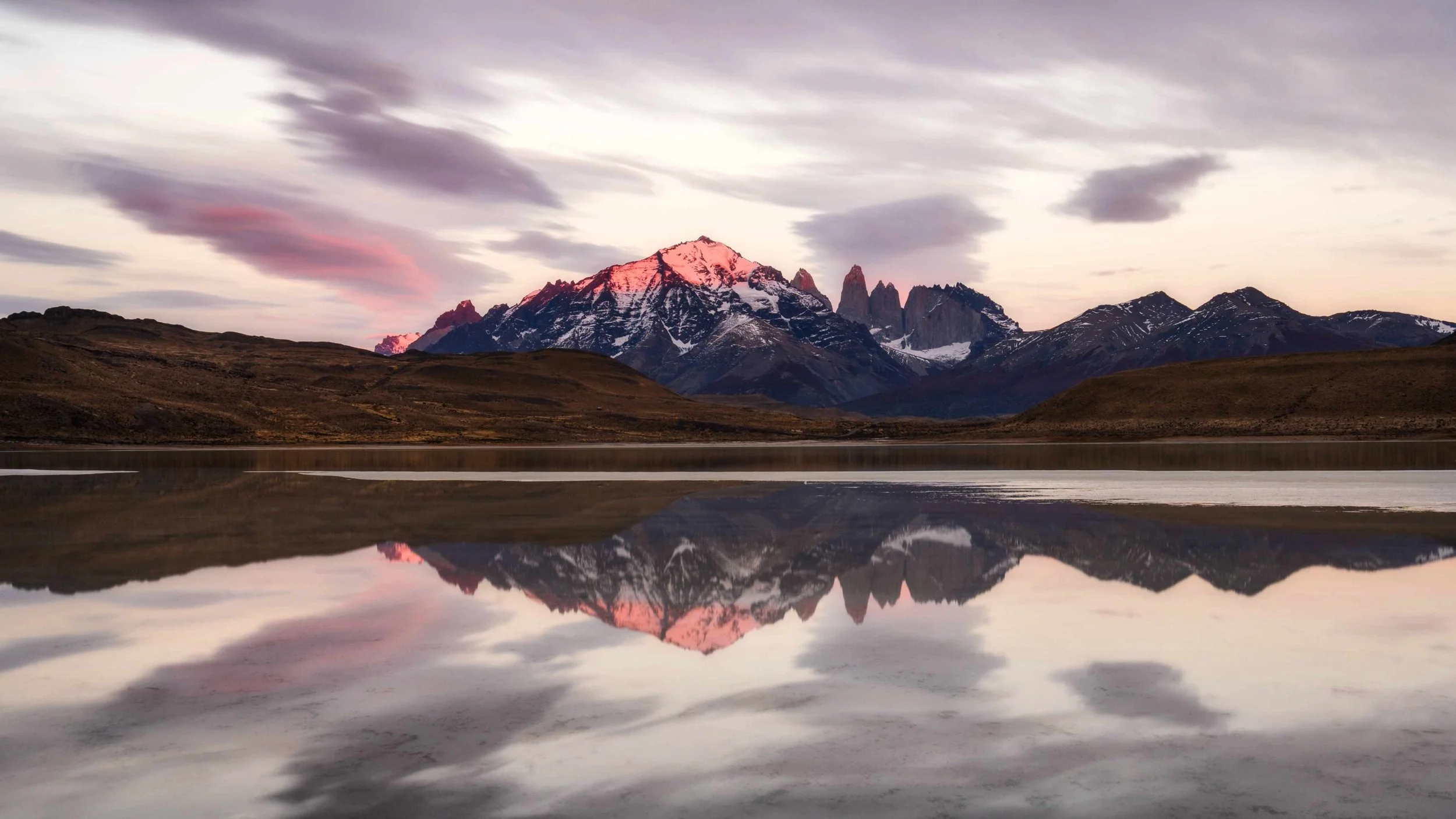
Chile's Torres del Paine National Park is a dream for layered landscape compositions: lakes, steppe, woodland, glaciers and striking mountain shapes all in the same wider region. A road-based photography itinerary can offer opportunities at different viewpoints, although access, weather and daylight dictate what is realistic on any given day. The famous towers are only one part of the story. Look too for mountain reflections, shifting cloud and the quieter details of the landscape.
Wildlife opportunities in Chile
The open Patagonian steppe can be especially rewarding for wildlife observation. Guanacos are a familiar sight in many parts of this region, and birdlife adds wonderful possibilities to a day spent moving slowly through the landscape. Puma sightings are never something to promise. Photograph wildlife at a responsible distance and follow park and guide instructions. The experience matters far more than approaching an animal for a frame.
Look beyond the obvious viewpoint
Torres del Paine rewards a slower approach. An interesting foreground, a passing patch of light or the edge of a woodland can be every bit as rewarding as a wide shot of the mountains. It is worth keeping room in the day for the compositions you had not planned.
Argentine Patagonia: El Chaltén and Los Glaciares
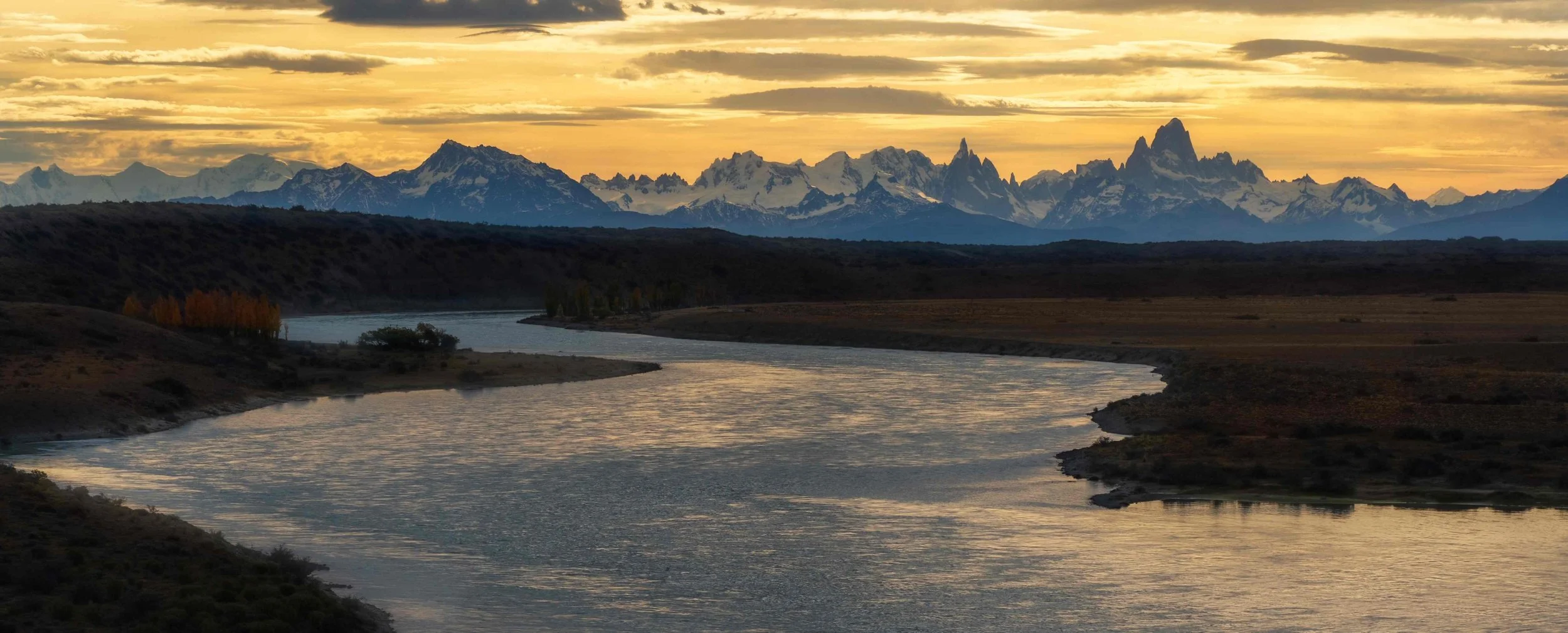
Across the border, El Chaltén is closely associated with the peaks of Fitz Roy and Cerro Torre. This is the side of Patagonia that particularly appeals to photographers who enjoy hiking towards their compositions. Trails can be strenuous and exposed, but there's a special pleasure in watching the landscape unfold on foot. Within Los Glaciares National Park, the broader region also includes remarkable glacier scenery. Don't assume the iconic views are effortless roadside stops: study walking distances and your own comfort level before building an itinerary.
What about Perito Moreno Glacier?
Perito Moreno is near El Calafate rather than El Chaltén. Its scale and colour are difficult to appreciate until you stand facing the ice. Boardwalk viewpoints can be a compelling option for travellers who do not want a demanding hike, although conditions and access can change. A wide-angle lens tells the story of the setting; a longer lens can isolate the textures and sculptural details of the ice.
Chile vs Argentina for photographers: the quick comparison
| What matters most | Chilean Patagonia | Argentine Patagonia |
|---|---|---|
| Signature scenery | Torres del Paine, lakes, steppe and layered views | Fitz Roy, Cerro Torre and dramatic glaciers |
| Typical photo approach | Mix of roadside views and longer walks | More iconic trail-based alpine photography around El Chaltén |
| Wildlife | Excellent chances to look for guanacos and birdlife | Birdlife and wild landscapes; wildlife varies by area |
| Best fit | Varied landscapes, flexible viewpoints, wildlife interest | Hiking-focused mountain photography and glacier scenery |
These are broad distinctions, not strict rules: both sides offer remarkable hikes, wildlife and accessible scenery.
The weather is part of the picture
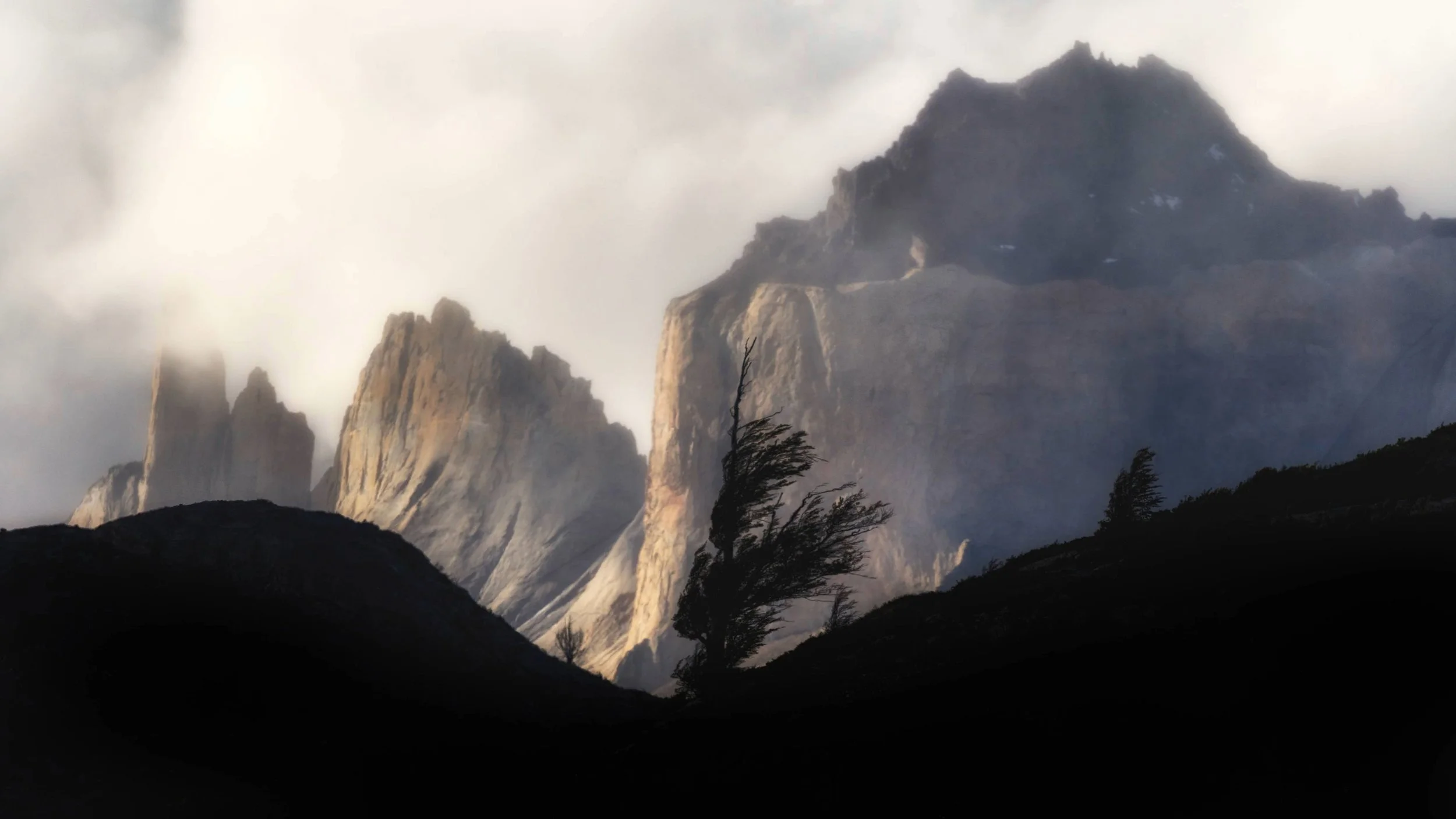
Patagonia is famous for rapid changes. A beautiful clear forecast can become a dramatic sky and strong winds can make even a straightforward stop uncomfortable. Build flexibility into your plan, protect your camera from rain and grit, and allow room for repeat visits rather than treating every location as a single guaranteed photograph. The best light often arrives when you're patient enough to remain in the area.
What should you pack for Patagonian conditions?
Wind, cold hands and sudden rain are not just inconveniences; they affect how long you can work comfortably with a camera. I would prioritise dependable layers, a rain cover, stable footing and gloves that let you operate your camera without removing them for every adjustment. Leave a dry place in the bag for spare batteries and a cloth for the front element.
Gloves worth looking at
If you are comparing gloves for cold-weather photography, you can browse the Otex Outdoors range. Choose based on dexterity, wind resistance and your own comfort; I have not made a specific model recommendation here.
Affiliate link: purchases may earn us a commission. Check shipping, returns and sizing for your location before ordering.
Where to base yourself, and why it matters
On the Chilean side, Puerto Natales is a common gateway to Torres del Paine, although staying closer to the park can reduce repeated travel. On the Argentine side, El Calafate is useful for Perito Moreno Glacier while El Chaltén makes sense for Fitz Roy and Cerro Torre. The temptation is to keep moving. For photography, an extra night in the right place can be worth far more than another pin on the map.
Chile vs Argentina at a glance
Choose the Chilean side if lakes, broad mountain panoramas, accessible landscape viewpoints and possible wildlife encounters are high on your list. Choose the Argentine side if you want iconic alpine peaks, longer trails, glacier scenery and a strong hiking element. If time and budget allow, travelling through both creates a richer visual story than trying to declare one the winner.
How many days do you need?
A week gives you enough time to focus on one main region, but rushing from location to location often means spending the best light in transit. With ten days or more, it becomes easier to combine some of the key Chilean and Argentine landscapes while leaving room for weather delays. The right plan depends on how far you want to walk, your preferred pace and whether you are self-driving or travelling with a guide.
Planning the crossing
International travel between the two countries adds driving, immigration procedures and weather dependencies. Check whether your rental vehicle is authorised to cross the border, how your insurance works, and which items are restricted at customs. National park fees, ticket systems and trail conditions can change; use the official park websites when you're ready to travel.
Check the official rules before you travel
For Torres del Paine, use Chile’s CONAF information and the Pases Parques ticket system. For the El Chaltén and Perito Moreno areas, see Argentina’s national park fees and tickets. Do not assume entrance rules or opening conditions will remain unchanged for your dates.
Travel insurance for a photography trip
Patagonian weather can disrupt plans, and hiking or remote travel may come with exclusions that are easy to miss. Before buying insurance, check medical assistance, evacuation arrangements, activity and altitude limits, trip disruption and whether valuable camera equipment needs separate cover. A booking widget is a starting point for comparing options, not evidence that any particular policy meets your needs.
A photography-first approach
For a dedicated photography trip I'd favour fewer bases, repeat opportunities at promising viewpoints, unhurried mornings and a realistic allowance for bad weather. That gives you time to see the place rather than simply collect locations. For information about our own small-group photography adventures, you can get in touch through All The Ways You Wander.
Explore Patagonia with time for the light
Our small-group photography adventures favour unhurried mornings, beautiful landscapes and the freedom to respond to changing conditions. If you would rather focus on making photographs than juggling every detail, explore our workshops or get in touch.
Enquire about our Patagonia photography workshopOfficial sources and further planning
- CONAF — Torres del Paine National Park
- Chile — Pases Parques
- Argentina National Parks — Entrance fees and tickets
- Argentina National Parks — Los Glaciares access information
Editorial note: information and visitor rules were reviewed in November 2026. Check current conditions and pricing for your travel dates. Images © All The Ways You Wander. Affiliate partnerships do not change the editorial comparison.
