Kanazawa Photography Guide: Snow & Castles
Kanazawa Photography Guide
Snow, castles & geisha districts
Discover the magic of Kanazawa in winter — from snow-covered villages and the historic geisha district to the beautiful Kanazawa Castle. This guide shares practical photography tips from my Japan workshop, including how to shoot in the snow, find reflections, and embrace the unexpected. If you're travelling to Japan, consider getting an eSIM from Airalo to stay connected without expensive roaming charges.
The snow came overnight — and it was the cherry on top.
We woke up to a scene that looked like it belonged on a postcard. Thick, powdery snow had blanketed the mountain village, turning the traditional thatched-roof houses into something out of a fairytale. It was the kind of morning that makes you forget you're working.
We were only in this mountain area for one day before heading to Kanazawa, so we were determined to make the most of it. The road we were taking — known as the White Road — wound through mountain passes with waterfalls, viewpoints, and all sorts of photographic opportunities. We knew we'd be stopping a lot.
And we did.
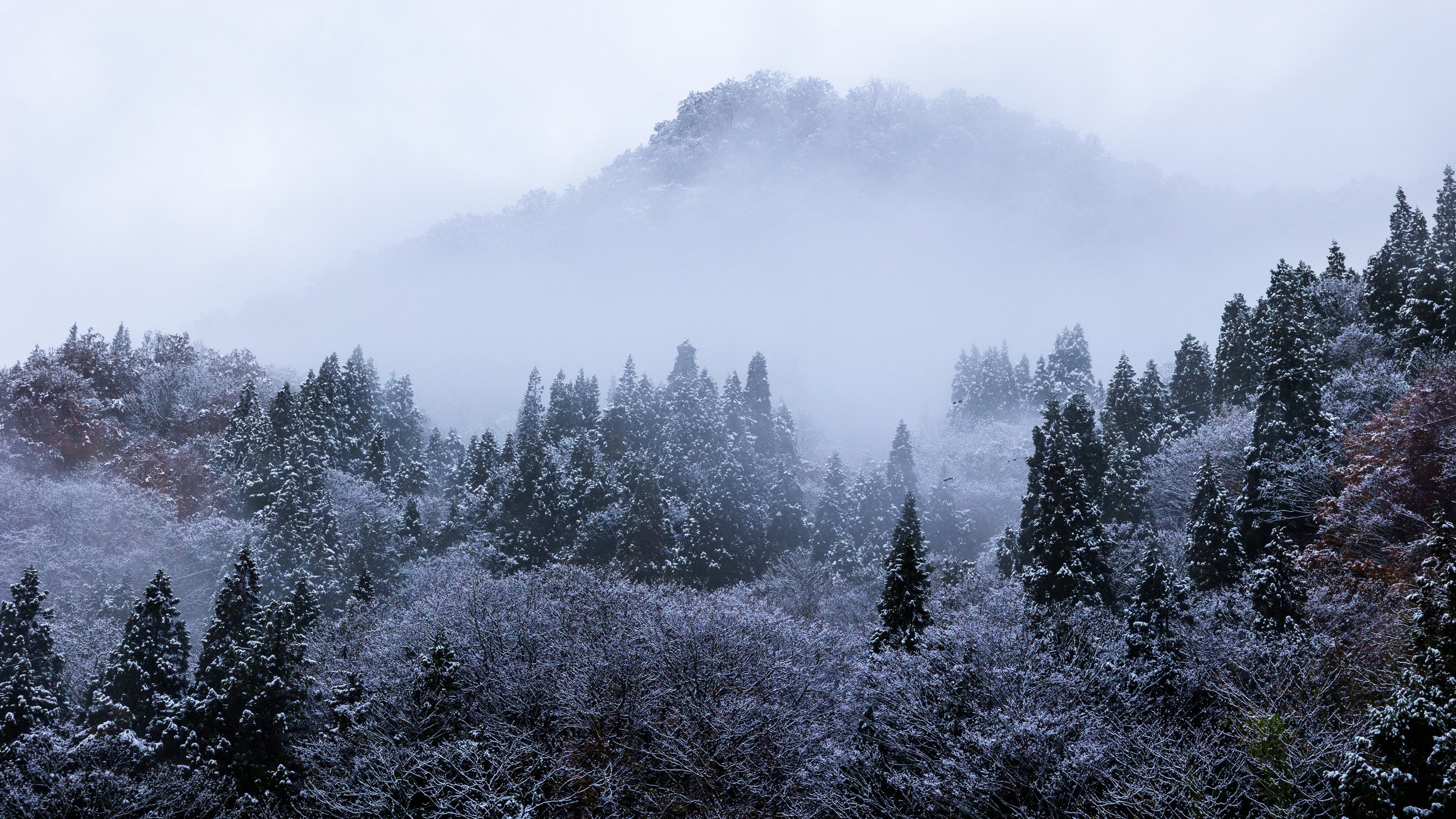
The snow came overnight — and it was the cherry on top.
1. The Snowy Hamlet
The first stop of the morning was a tiny village — a traditional hamlet of thatched-roof houses nestled in the snow. I had been expecting autumn colours when we planned this trip, but to get this instead? Absolutely incredible.
The fog was rolling in as we arrived, adding a layer of atmosphere that made the whole scene feel magical. We wandered through the village, taking photographs of the snow-covered roofs, the traditional wooden structures, and the mountains emerging in the background.
As I said in the vlog: "Wow, this is just exceptional. Look at it. It's so, so gorgeous."
It was the kind of place that doesn't feel oversaturated with photographers — a popular tourist destination, sure, but you could still find your own corner and take your time. I spent ages just wandering, looking for compositions, and thinking about which shots would work best in black and white.
What I learned: sometimes the best photographs come from the unplanned detours. We weren't supposed to get snow. We weren't supposed to have this kind of light. But we did.
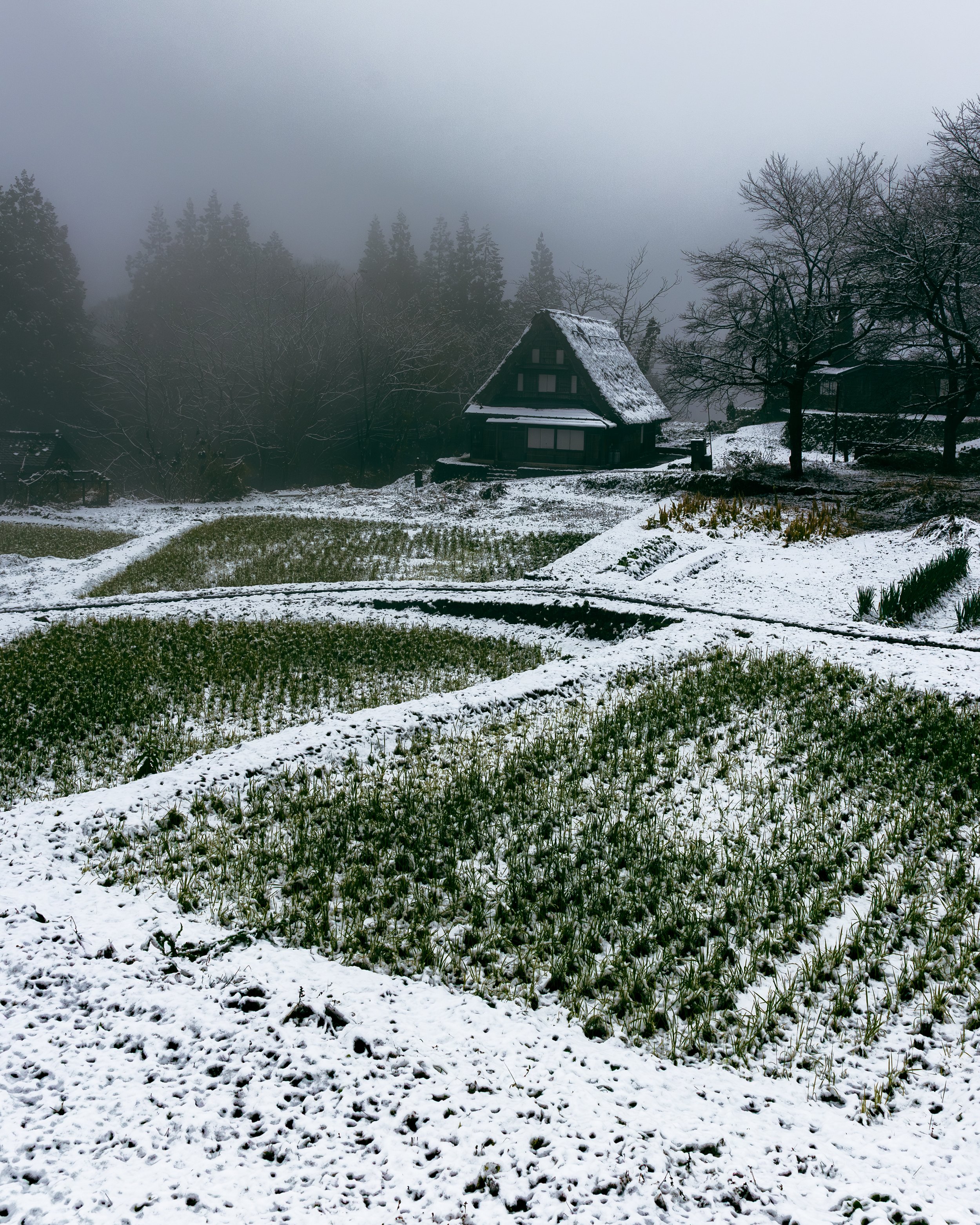
The snow transformed this village into something magical.
2. The Drive Along the White Road
The drive through the mountains was spectacular. Snow-covered pine trees, misty valleys, and winding roads that felt like they were leading us through a painting. We pulled over multiple times to capture the views — because how could you not?
There's something about photographing snow that changes the way you see. The contrast is different. The light is softer. Everything feels cleaner and more minimal. I found myself drawn to the textures — the snow clinging to branches, the mist rising from the valleys, the way the light filtered through the clouds.
It was a reminder that winter photography has its own magic.

The White Road through the mountains — pulling over for every view.
3. Kanazawa Castle
We arrived in Kanazawa in the afternoon, and our first stop was the Kanazawa Castle. It was a stunning structure — more sprawling and horizontal than many of the castles you see in Japan, which tend to be built upwards. This one felt more grounded, more like a fortress.
The autumn colours were still clinging to the trees around the entrance, which made for some beautiful framing. I wandered through the grounds, looking for that one shot I'd been dreaming of: a reflection of the castle in a pond or puddle.
And I found it.
The light wasn't dramatic, but the castle itself was so beautiful that it didn't matter. Sometimes you just have to be there and capture what's in front of you.
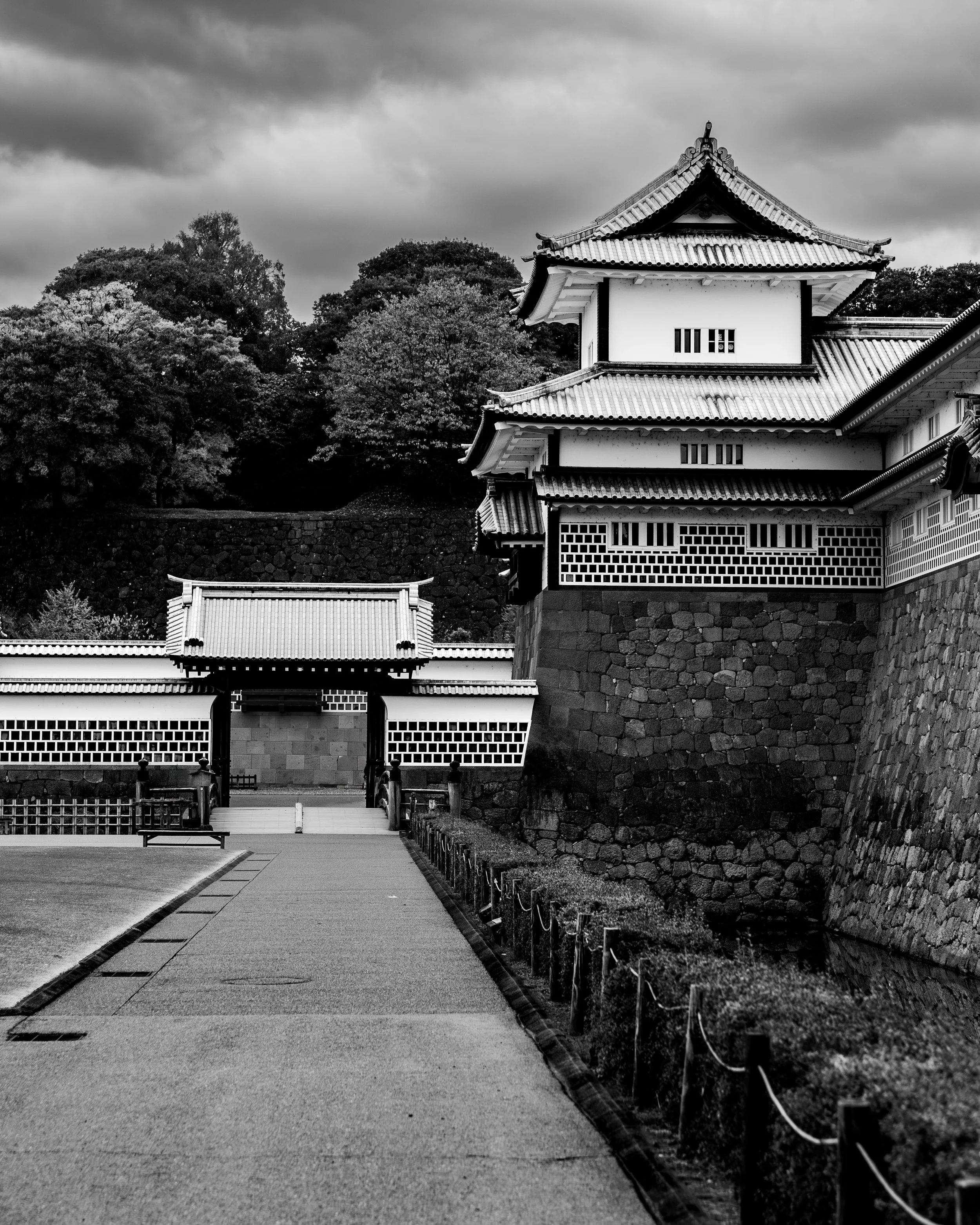
The reflection shot I'd been dreaming of — Kanazawa Castle in all its glory.
4. The Geisha District — Higashi Chaya
Later in the evening, I took a wander through the Higashi Chaya geisha district. It's an area of Kanazawa that has been preserved to look like it did during the Edo period — narrow lanes, wooden buildings, and a sense of history that seeps through every crack.
I was there in the morning, when the streets were quiet and empty. The light was soft, the shadows were long, and I had the place almost to myself. It was the perfect time to shoot — no crowds, no distractions, just the architecture and the atmosphere.
It's the kind of place that would look incredible in the evening too, when the lanterns are lit and the streets come alive. But the morning quiet had its own magic.
One thing to note — you're not allowed to photograph geisha themselves, so focus on the architecture, the details, and the atmosphere instead. Respect the culture and you'll come away with better images anyway.
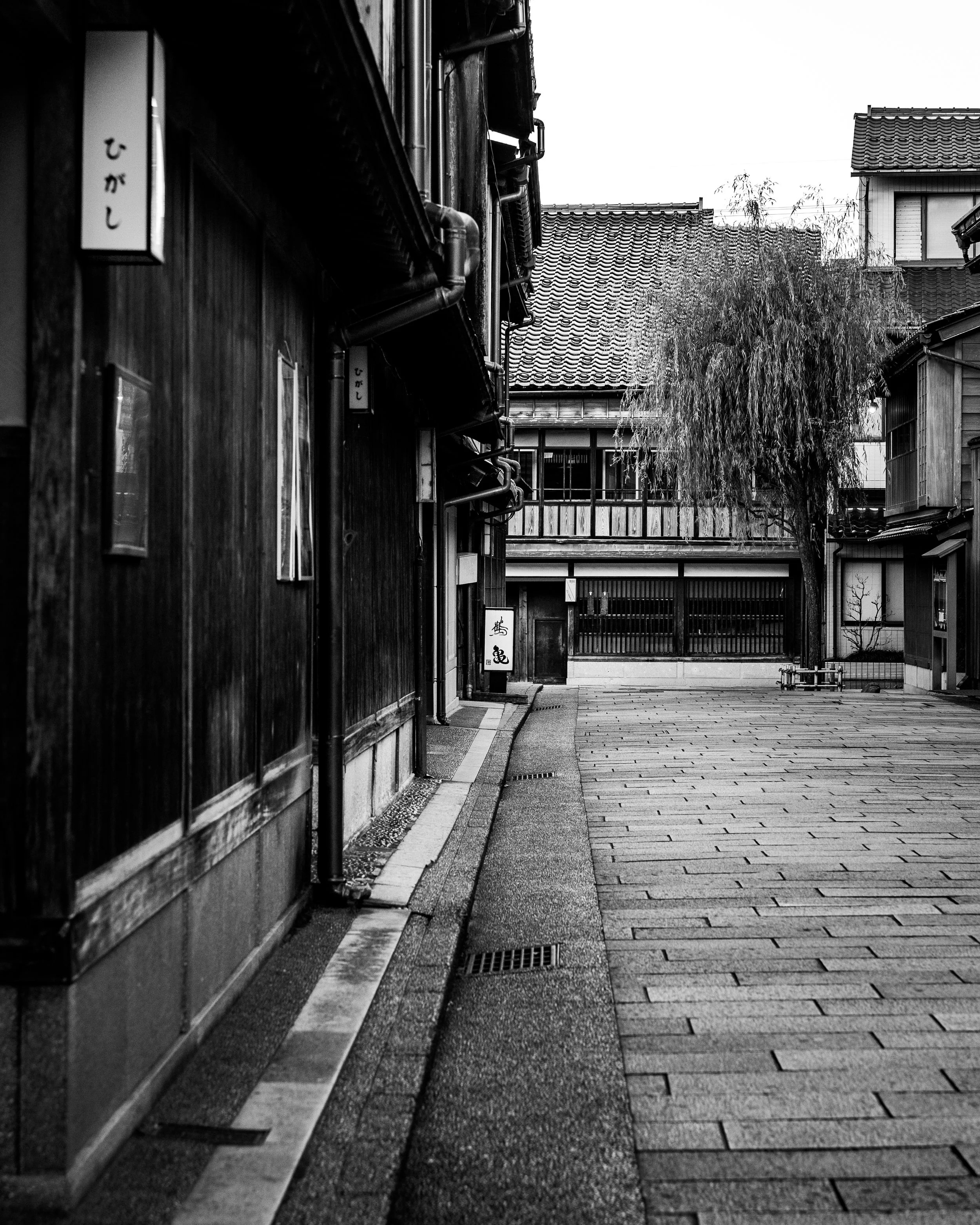
The morning quiet in Higashi Chaya — the perfect time to shoot.
5. The Snow Monkeys
After Kanazawa, we made the drive to see the snow monkeys. The hike was beautiful — a wooded trail through the mountains, surrounded by stunning scenery. There was a sign at the beginning warning us that the monkeys weren't there yet. Apparently they arrive later in the season, closer to the end of November.
But we chanced it anyway.
We walked in, and... there were two. Just two snow monkeys, sitting in the distance. We managed to get some photographs, but it was nothing like the big groups you see in the famous photos.
Such is the way of things.
The walk itself was worth it — a beautiful trail, a chance to stretch our legs, and a reminder that you can't always control the outcome. Sometimes you show up and nature does its own thing.
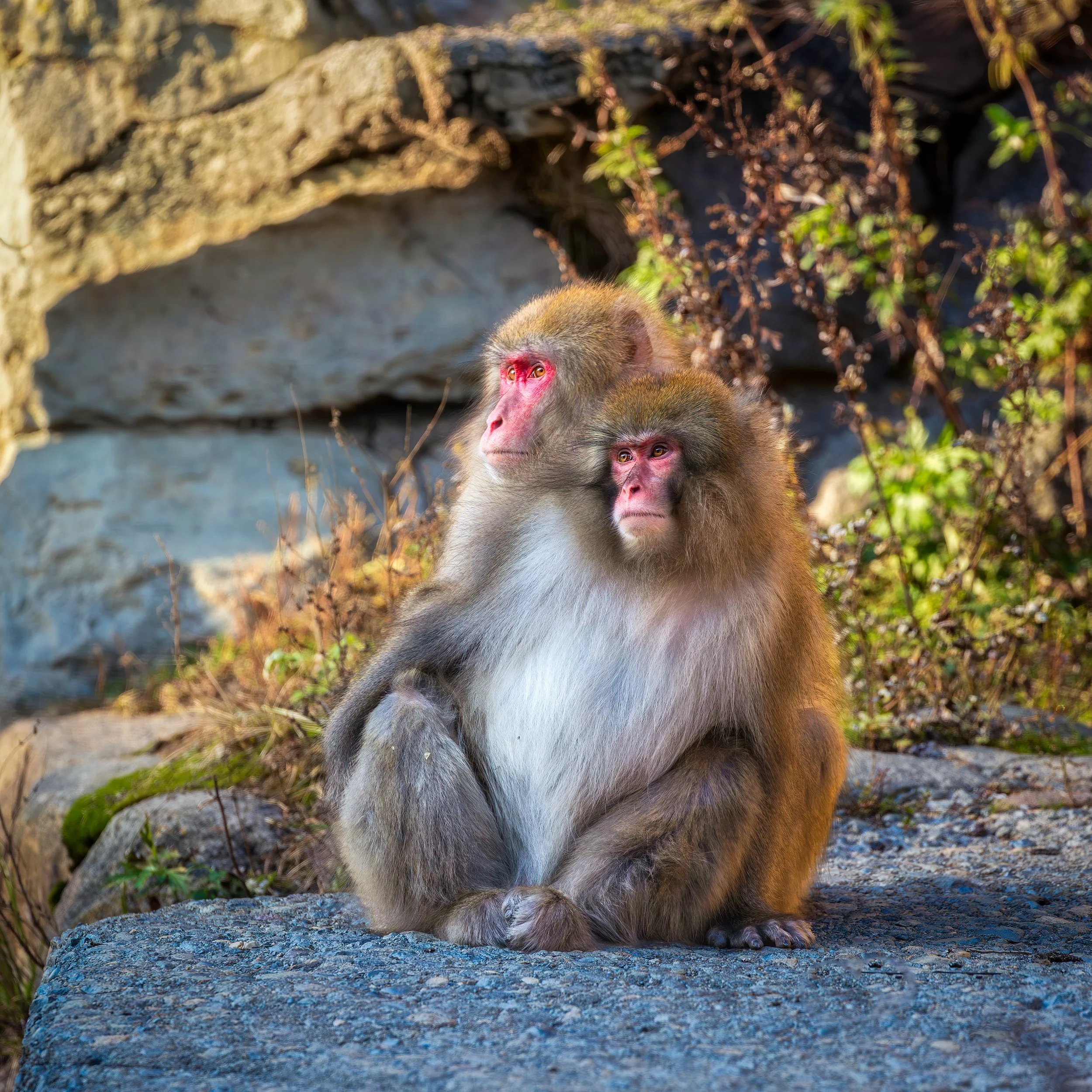
Just two snow monkeys — but the walk was worth it anyway.
6. The Tonkatsu
I have to mention the tonkatsu.
We found a place in Kanazawa that served the most incredible pork cutlet. I had been waiting, waiting, waiting to eat tonkatsu, and it far exceeded any expectations I had. It was thick, juicy, and absolutely delicious.
Sometimes the food is just as memorable as the photography.
7. What I Learned
Kanazawa was a lesson in embracing the unexpected. We didn't plan for snow. We didn't plan for the mist. We didn't plan for the monkeys to be absent. But we made the best of every moment, and I came away with images I'm genuinely proud of.
Travel photography is about being present — about noticing the details, finding the compositions, and capturing the feeling of a place.
Kanazawa felt like old Japan. The snow made it feel even more timeless.
8. Practical Tips for Photographing Kanazawa in Winter
Embrace the Snow — Snow changes everything. The light is softer, the contrasts are different, and the atmosphere is more magical. Lean into it.
Shoot in Black and White — Snowy landscapes lend themselves beautifully to monochrome. Stripping away the colour helps you focus on shape, texture, and contrast.
Arrive Early — The geisha district is much quieter in the morning. You'll have the streets to yourself.
Find Reflections — I spent a long time looking for a reflection of Kanazawa Castle in a pond. The result was worth it.
Be Prepared for the Unexpected — The monkeys might not be there. The weather might not cooperate. But the walk will still be beautiful.
Overexpose for Snow — Your camera will try to make snow grey. Add +1 stop of exposure compensation to keep it white.
Use a Polarizer — It cuts glare from icy surfaces and snowy reflections.
📌 Quick Summary
- Embrace the snow — it changes everything
- Shoot in black and white for dramatic contrast
- Arrive early at the geisha district for quiet streets
- Look for reflections at Kanazawa Castle
- Be prepared for the unexpected — the monkeys might not be there
- Overexpose by +1 stop to keep snow white
- Use a polarizer to cut glare
If you want to experience the magic of a Japanese winter — the snow-covered villages, the historic castles, the quiet streets, and the joy of discovering unexpected moments — I would love to have you along on my next Japan workshop.
Planning your own trip? Before you go, make sure you have comprehensive travel insurance for peace of mind. I use EKTA Travel Insurance for all my adventures — it's reliable, affordable, and covers the unexpected.
Join Me in Japan
We'll chase the light, embrace the weather, and come away with images that tell the story of this incredible country.
Explore Japan Workshops →