10 Essential Pieces of Equipment for Landscape Photography
Top 10 Essential Landscape Photography Gear (with a bonus)
What's in my kit — from cameras and lenses to filters, tripods and the apps I can't live without
It is true that landscape photography is a rewarding but difficult genre that requires more than simply a good sense of composition. It entails losing oneself in the splendor of nature, where the appropriate gear becomes essential. Let's examine the top 11 items of equipment that are absolutely necessary for each landscape photographer's kit.
Mirrorless Camera or a DSLR
A mirrorless camera or DSLR is the cornerstone of any landscape photographer's gear. These cameras offer excellent image quality, dynamic range, and the ability to use interchangeable lenses, making them versatile for various shooting conditions. Their advanced features and functionality empower photographers to capture stunning landscapes with precision and clarity, ensuring every detail is beautifully preserved in their shots. While the camera I use, the Sony a7 III, may not be considered a "landscape photography camera" it absolutely does the job well! The camera I use for vlogging and capturing the b-roll for my YouTube videos is the Sony Alpha 6500 — this camera is a wonderful little thing for what it does.

Sony a7 III — my reliable workhorse for landscape photography.
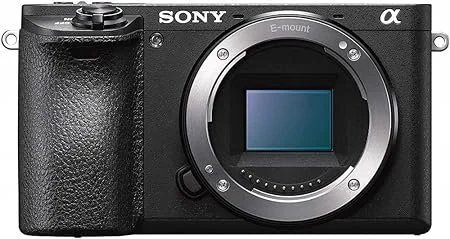
The a6500 — compact, powerful, and reliable.
Wide-Angle Lens
An essential tool to truly showcase the grandeur of landscapes in your photography kit is a wide-angle lens. These lenses, typically ranging from 10-24mm in focal length, enable you to capture more of the expansive scenery, adding a remarkable sense of depth to your images. Personally I use the Sony 16-35mm f/4 which I find to be wonderful.
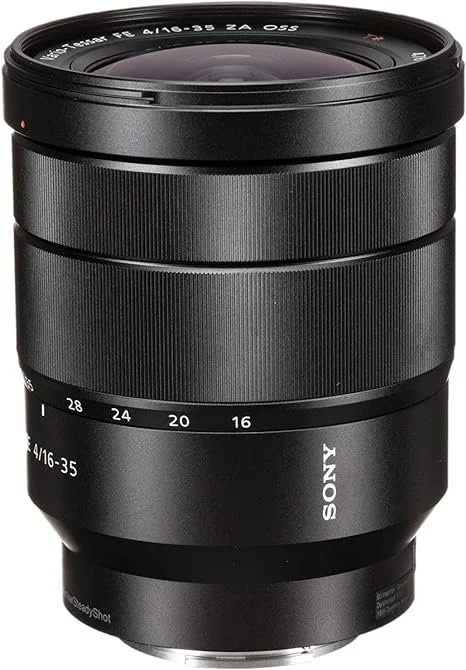
Sony 16-35mm f/4 — wide enough for grand vistas, sharp enough for every detail.
Telephoto Lens
A telephoto lens, such as the Sigma 100-400mm f/5-6.3, is perfect for isolating specific elements within a landscape, capturing distant subjects, and creating a compressed perspective. It allows you to highlight intricate details that might otherwise go unnoticed in a wider shot, adding significant versatility to your photography, enabling you to truly immerse your viewers in the finer nuances of the scene.
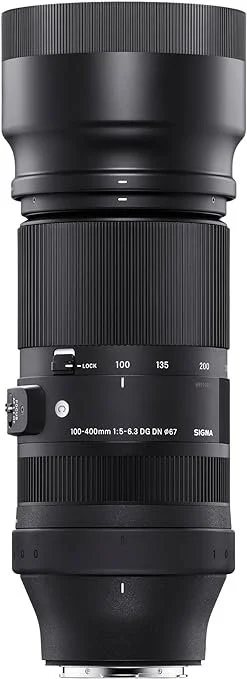
Sigma 100-400mm — perfect for isolating distant subjects and adding compression.
Tripod
A sturdy tripod is an essential tool for any landscape photographer, indispensable for capturing the beauty of various natural settings with precision and clarity. Particularly crucial for long exposures, HDR photography, and low-light conditions, a reliable tripod ensures that your camera remains stable throughout the shoot, guaranteeing crisp and detailed images that truly do justice to the stunning scenery before you. I have two tripods from the wonderful folks at 3 Legged Thing — Winston 2.0 and Albert 2.0 — both of these I can highly recommend!
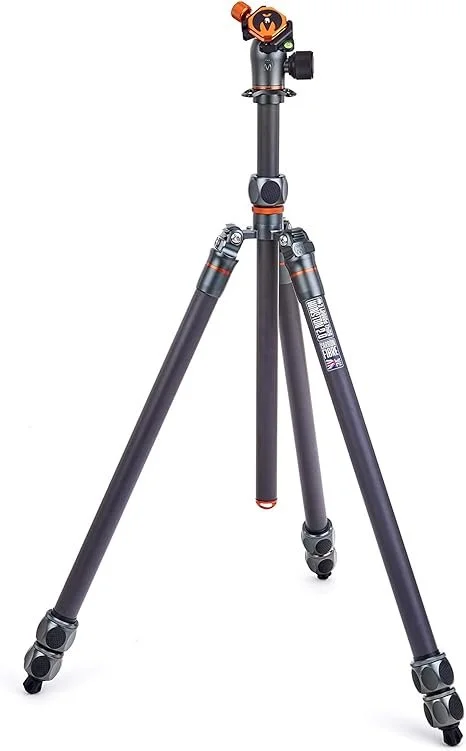
3 Legged Thing Winston / Albert — rock‑solid stability for long exposures.
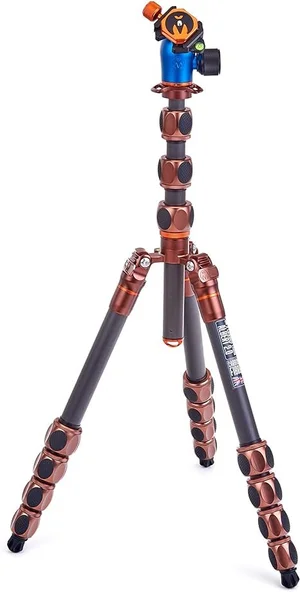
The build quality and portability make these my go‑to tripods.
ND & Polarizing Filters
Neutral Density Filters — ND filters are crucial tools for photographers looking to have more control over their exposure, particularly in well-lit environments where longer exposure times are necessary. By using ND filters, you can effectively convey the fluidity and dynamism of flowing water, shifting clouds, and various other aspects of nature, resulting in imagery that exudes a tranquil and atmospheric quality.
Polarizing Filters — A polarizing filter is an essential accessory that every nature photographer should have in their gear bag. This tool is indispensable for minimizing unwanted glare and reflections from surfaces like water and leaves, thereby enhancing the overall quality of outdoor photos. Moreover, by intensifying the saturation of the sky and greenery, it brings out rich and vibrant colors, while also boosting the clarity of intricate details in your images. Incorporating a polarizer adds a dynamic touch to your photography, breathing life and depth into your visuals, making them truly captivating.
I can highly recommend the Kase Filter System. This kit includes everything you could ever need.

Kase filter system — my go-to for controlling light and reflections.
Remote Shutter Release
A remote shutter release is an essential tool for photographers, especially when capturing long exposures to maintain sharpness in your images. It's not only beneficial for time-lapse projects but also proves handy for taking self-portraits in distant and secluded settings where you need to operate the camera from a distance without causing any shake. Because I use Sony cameras I have the AODELAN Camera Shutter Release. Its important to keep in mind that you will need to get a specific one for your camera system.
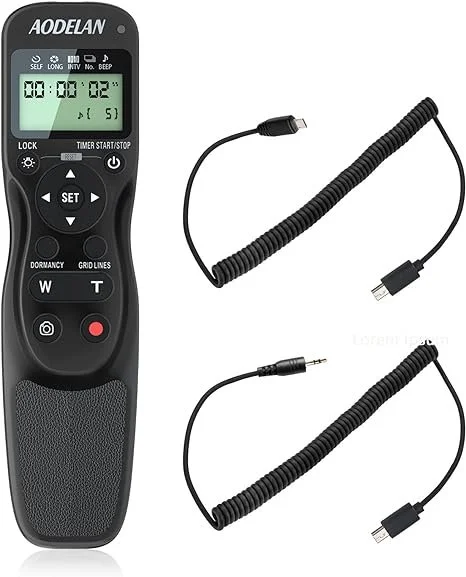
AODELAN Shutter Release — essential for sharp long exposures.
Extra Batteries and Memory Cards
Running out of power or storage space in the middle of a shoot can be incredibly frustrating for nature photographers like myself. It's essential to always have a couple of spare batteries and memory cards on hand to guarantee you're fully equipped to capture the beauty of landscapes, seascapes, and the wonders of the night sky during those prolonged and enchanting photography adventures.
Batteries — So you can of course use third party batteries (and I do) but I also do have some official Sony NP-FZ100 batteries which really are much better.
Memory cards — These can be a minefield to go through. 100% of the time I use SanDisk Extreme PRO SDHC UHS-II V90 128 GB. I have been using these for years and they have never failed me.
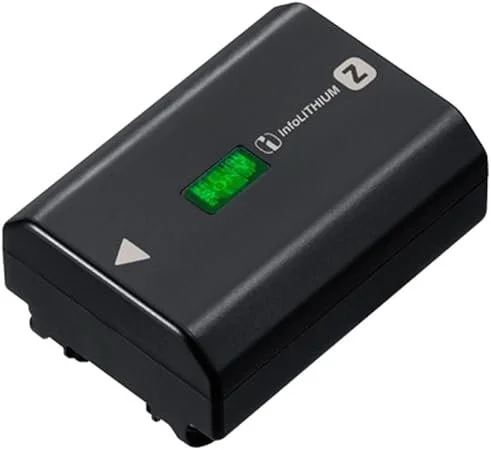
Sony NP-FZ100 — reliable power for long shoots.
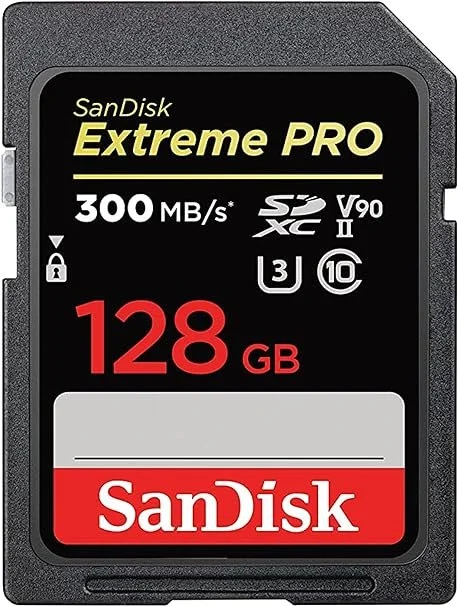
SanDisk Extreme PRO V90 — fast and dependable.
Camera Bag
A durable and comfortable camera backpack is an indispensable companion for safely transporting your gear, particularly during treks to secluded spots in nature. Seek out backpacks that feature well-padded compartments to safeguard your equipment, weatherproofing for protection against the elements, and convenient access to your gear for smooth photography sessions amidst captivating landscapes. All the cool kids are using the Shimoda Action X v2 Family Backpack and for good reason, they are wonderful!
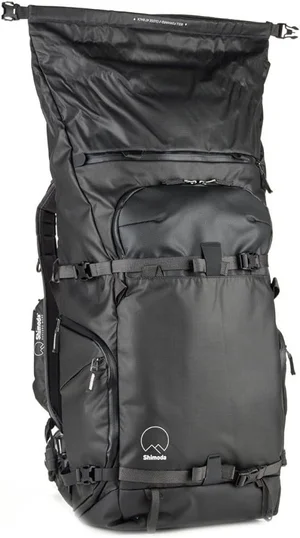
Shimoda Action X v2 — built for adventure and full of smart compartments.
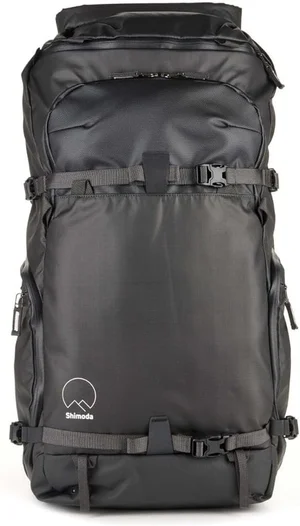
Weatherproof, comfortable, and perfect for long treks.
Cleaning Kit
Dust, dirt, and fingerprints can ruin a great shot. It is essential to have a lens cleaning kit on hand, complete with a high-quality microfiber cloth, specialised lens cleaning solution, and a gentle blower. Regularly maintaining and cleaning your lenses and camera sensor is crucial for capturing clear, sharp images and preserving the overall quality of your photography equipment. Like most camera gear there is an overwhelming amount of options out there. I use a similar product to this 14-in-1 Professional Camera Cleaning Kit.
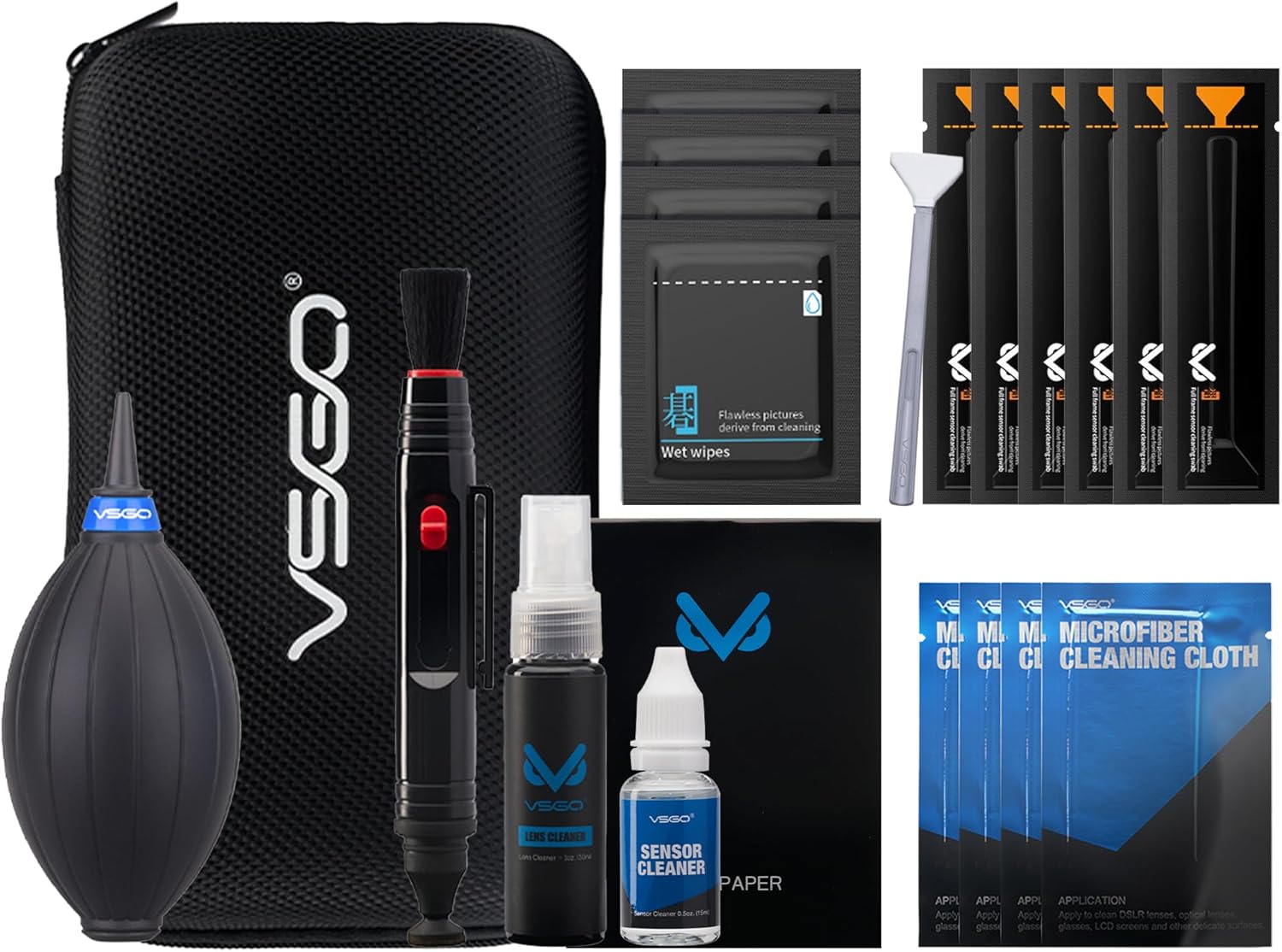
A good cleaning kit keeps your gear in top condition.
Your Phone with GPS
Let's face it, if you are like me you'll most likely have your phone in your pocket with you while out on shoots. The amount of applications (read my blog about apps here) out there that can aid one's photographic adventures is just incredible. I use the Google Pixel 7 Pro and to be honest I don't see myself switching from this anytime soon. Its great! A very undeniable advantage to having your phone with you is for its GPS capabilities. These can really help you out if you are out hiking.
Google Pixel 7 Pro — my go‑to phone for GPS and planning apps.
The Pixel’s camera isn’t bad either for quick scouting shots.
PhotoPills App
PhotoPills is an indispensable app for landscape photographers. It offers a suite of tools to plan and execute your shots perfectly. From calculating the best time and position for sunrise and sunset to identifying the Milky Way's location, PhotoPills helps you visualize your shoot before you even arrive on location. The app also includes depth of field calculators, exposure tools, and a planner for aligning your shots with celestial events, making it an essential tool for capturing breathtaking landscapes.
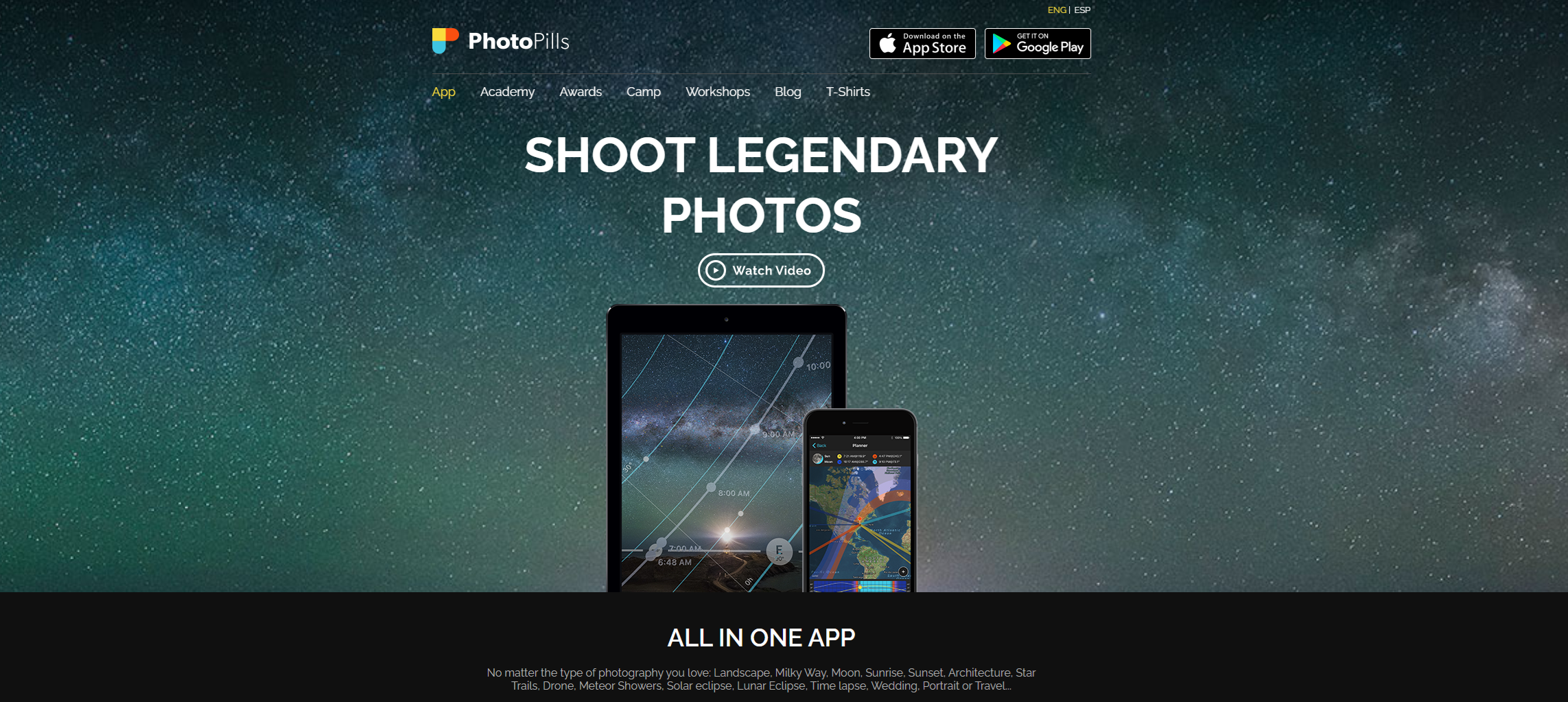
PhotoPills — the ultimate planning tool for landscape photographers.
Ready to Put Your Gear to Use in Portugal?
From the golden cliffs of the Algarve to the wild Atlantic coast, Portugal is a photographer's dream. Join me on a small-group workshop and let's create stunning images together.
Explore Algarve Workshops →