Photographer's Dream
Etosha vs The Rest: Why Namibia's Premier Park is a Photographer's Dream
What Makes Etosha National Park Stand Out for Wildlife Photographers
I've photographed wildlife in a few different places across Africa, and Etosha National Park stands apart. It's not just about the animals — it's about the landscape, the light, the waterhole strategy, and the sense of freedom that comes with self-driving through one of the continent's most unique parks. Here's why I think Etosha beats the rest.
Hello there folks and how is it going? Welcome back to another blog post. Now, I've been lucky enough to photograph wildlife in a few different places across Africa. And let me tell you — not all parks are created equal.
Etosha National Park is different. It's not just the animals — and trust me, the animals are incredible — it's the whole package. The landscape, the light, the waterhole strategy, the sense of freedom. It's a photographer's dream.
So, here's why I think Etosha beats the rest.
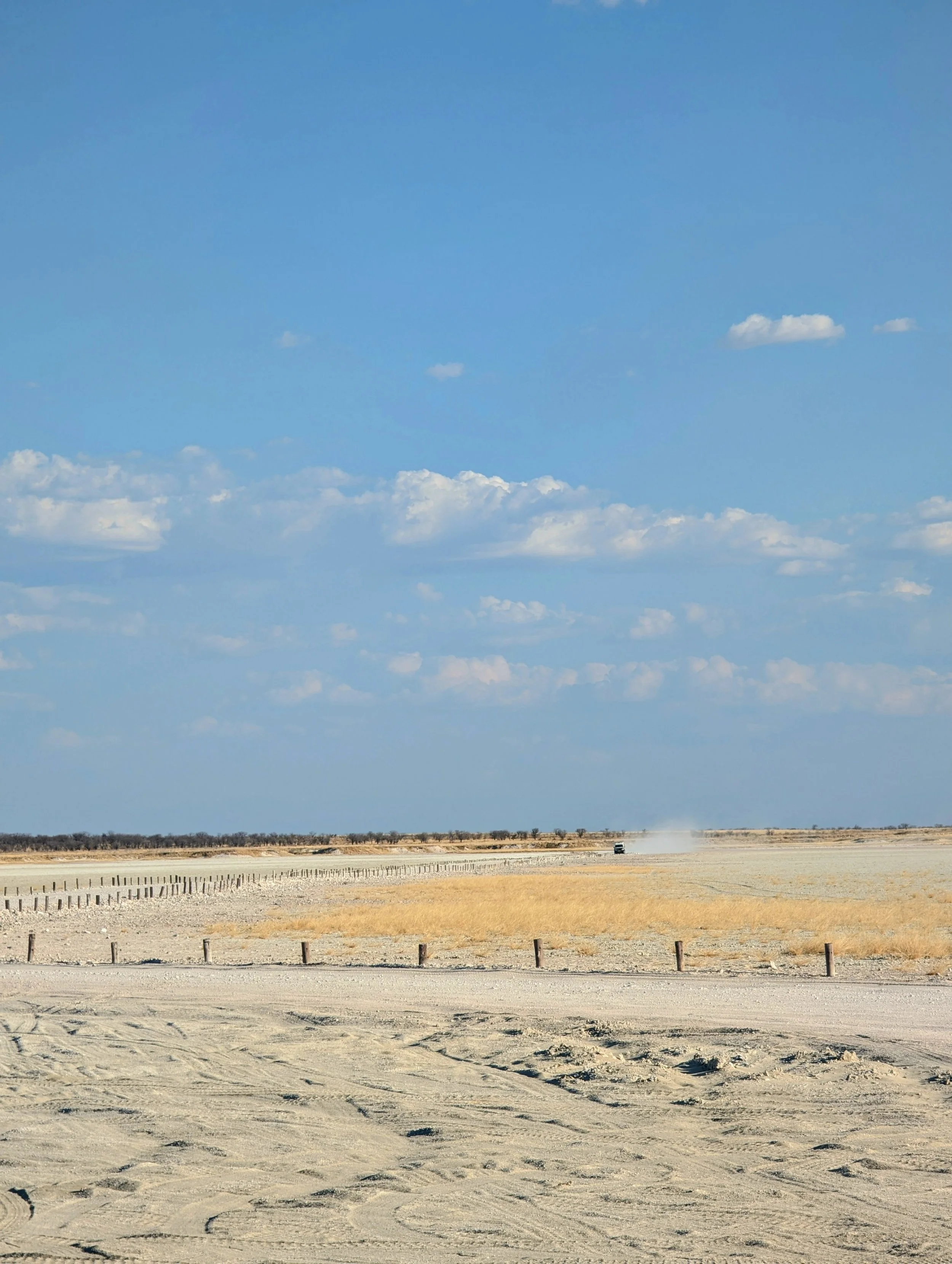
The vast white salt pan — Etosha's defining feature.
1. The Landscape is Unique
Most African parks have savannah, bush, and rivers. Etosha has all of that — but it also has the salt pan. The Etosha Pan is a massive, white, dusty depression that stretches to the horizon. It's otherworldly.
When you're driving along the edge of the pan, you feel like you're on another planet. The heat shimmers, the dust kicks up, and the animals appear as silhouettes against the white expanse. It's the kind of landscape that makes you stop and just stare.
And for photographers? It's gold. The contrast between the white pan and the golden grass, the blue sky, and the dark silhouettes of animals — it gives you images that feel different from anything you'd get in the Serengeti or Kruger.
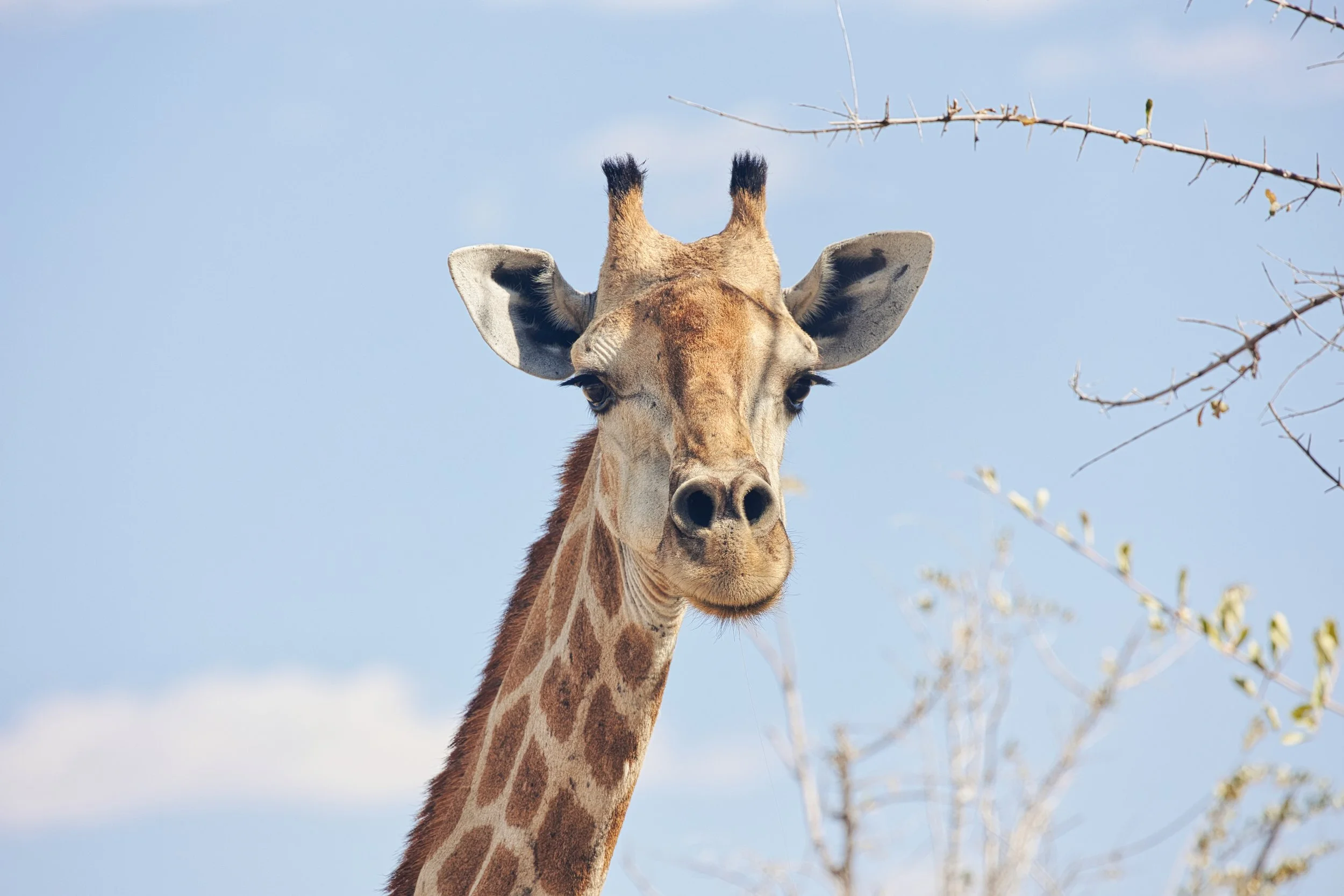
Giraffes silhouetted against the white pan — pure Etosha.
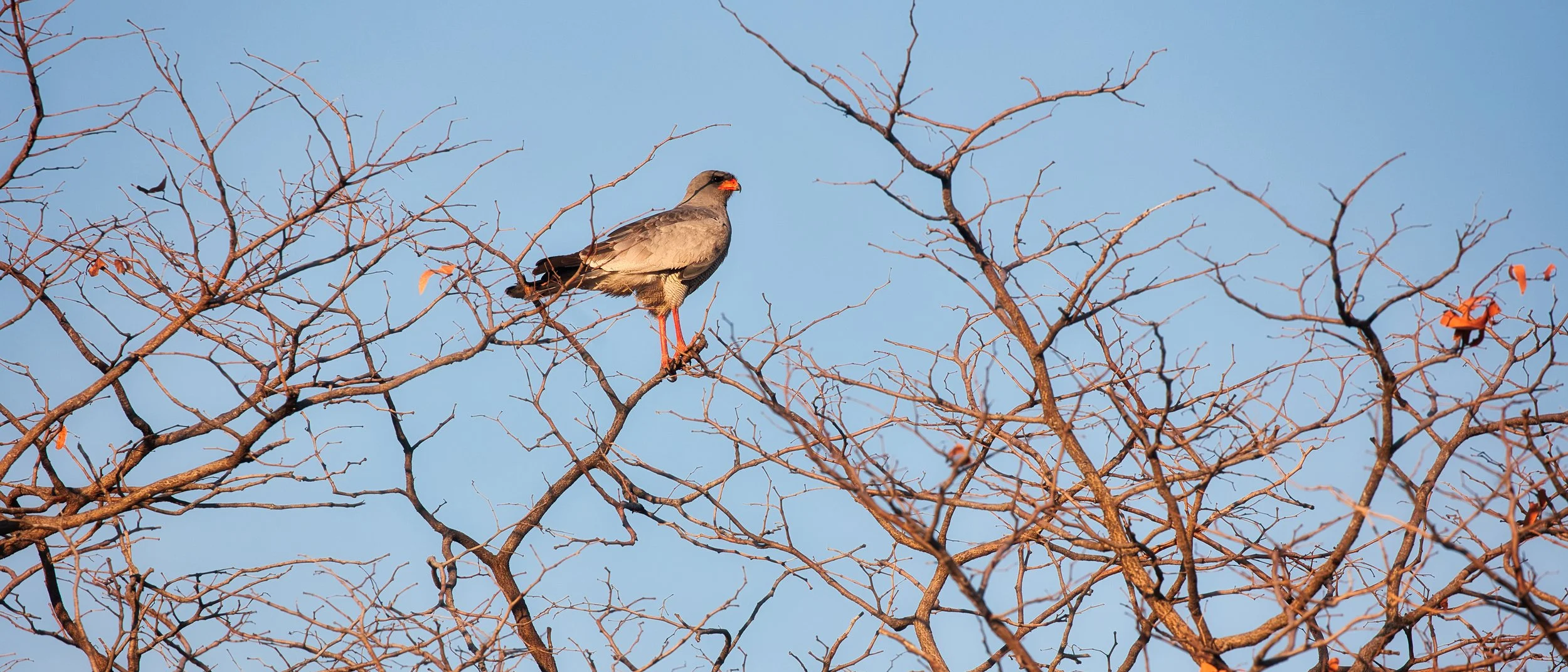
Acacia trees dotting the landscape — iconic.
2. The Waterhole Strategy is Reliable
In many parks, finding wildlife is a matter of luck and timing. You drive around, you hope for the best, and sometimes you come up empty.
Etosha is different. The waterholes are the key. During the dry season, animals have to drink, and they have to drink at the waterholes. It's as simple as that.
If you park yourself at a good waterhole — Okondeka, Goas, or King Nehale — you'll see elephants, zebras, giraffes, and sometimes lions and rhinos. It's predictable, and for photographers, predictability is everything.
On my second visit, I spent hours at waterholes, and I didn't have to move. The animals came to me. That's the power of Etosha's waterhole strategy.
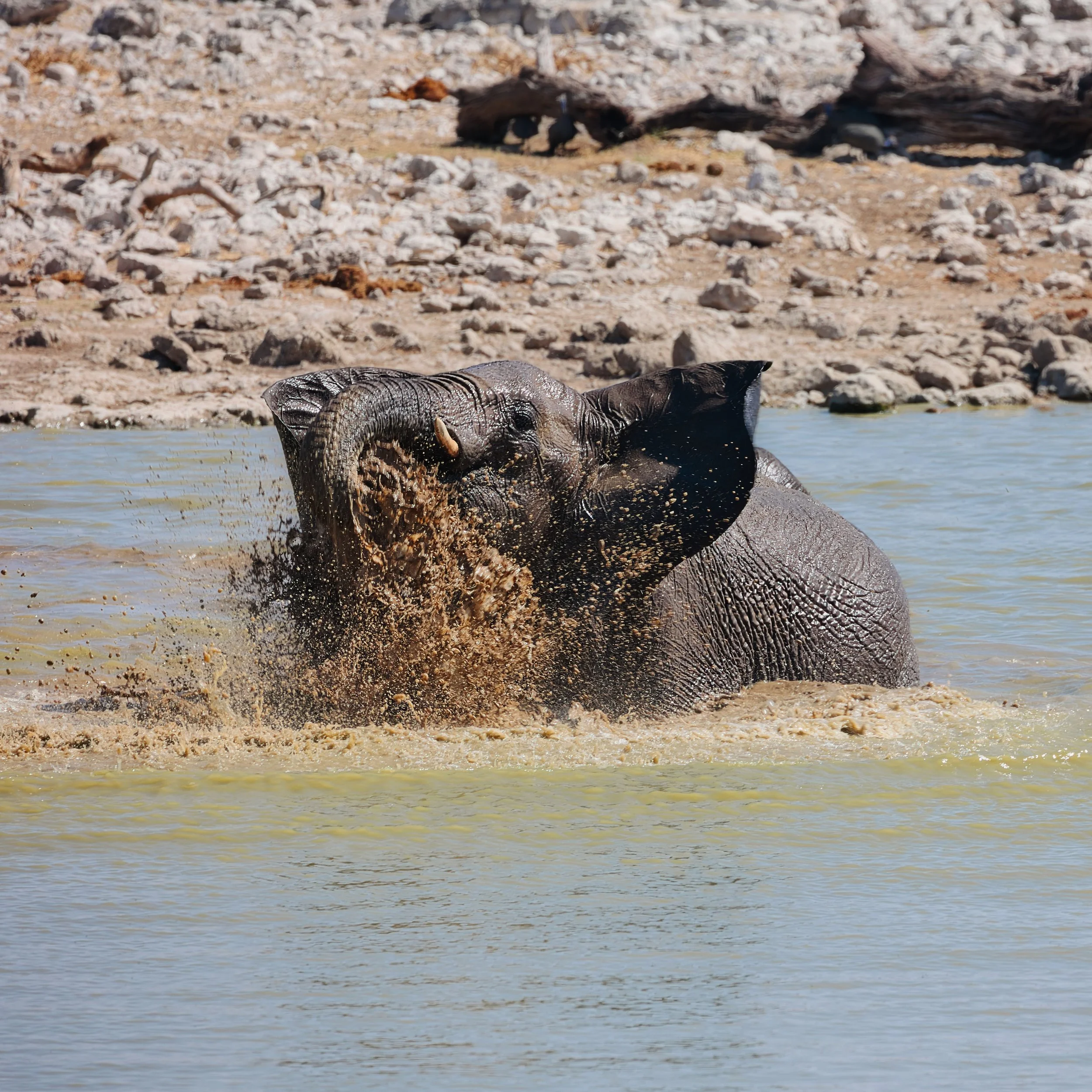
The waterholes are reliable — animals have to drink.
3. The Light is Incredible
Namibia has some of the cleanest, most beautiful light I've ever photographed in. The air is dry, there's very little pollution, and the colours are rich and saturated.
Golden hour in Etosha is something special. The dust in the air catches the light, the animals kick up clouds of it, and the whole scene glows. I've never seen light like it.
And because the landscape is so open, you get dramatic skies — huge, sweeping clouds that add scale and drama to every shot. You don't get that in more wooded parks.
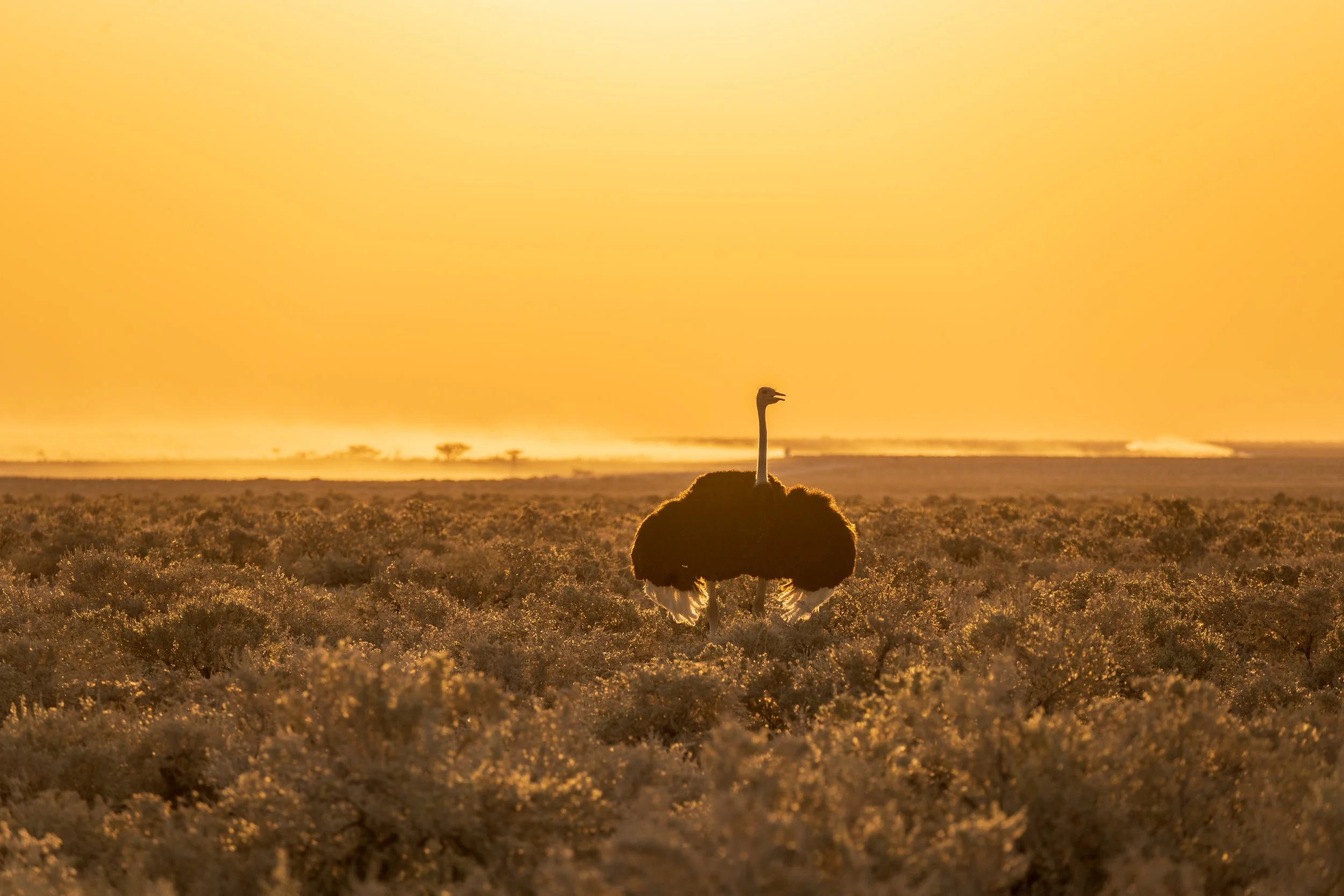
Golden hour in Etosha — pure magic.
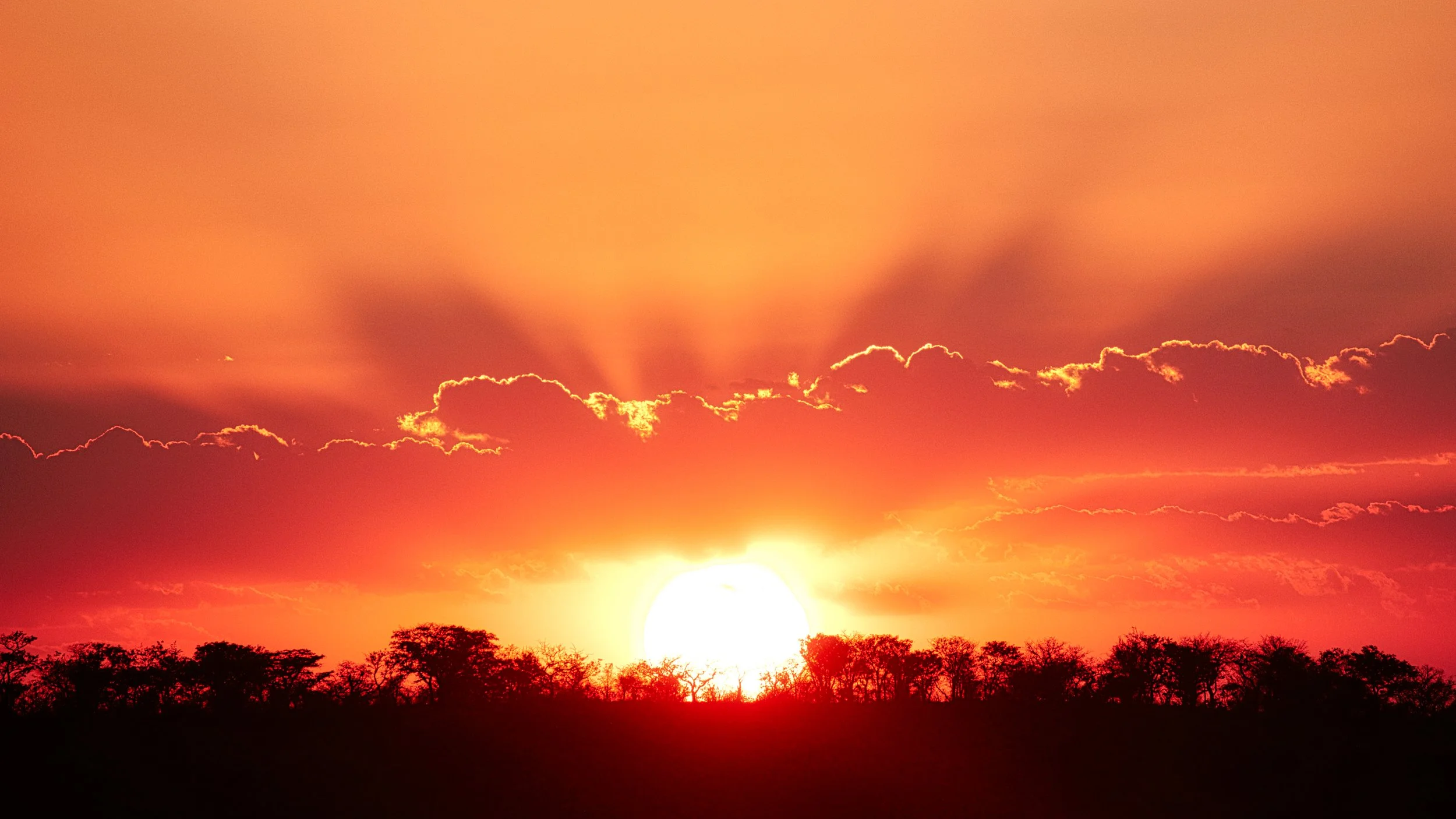
The skies are huge, dramatic, and ever-changing.
4. You Can Self-Drive
One of the things I love about Etosha is the freedom. You can self-drive. You don't have to be on a guided safari with a strict schedule and a fixed route.
You can wake up when you want, go where you want, and stay as long as you want. If you find a waterhole that's busy, you can sit there for hours. If you want to explore a different part of the park, you can drive there.
This is a huge advantage for photographers. You're in control of your own experience. You can follow the light, follow the animals, and follow your instincts. It's a much more intimate and personal way to photograph wildlife.
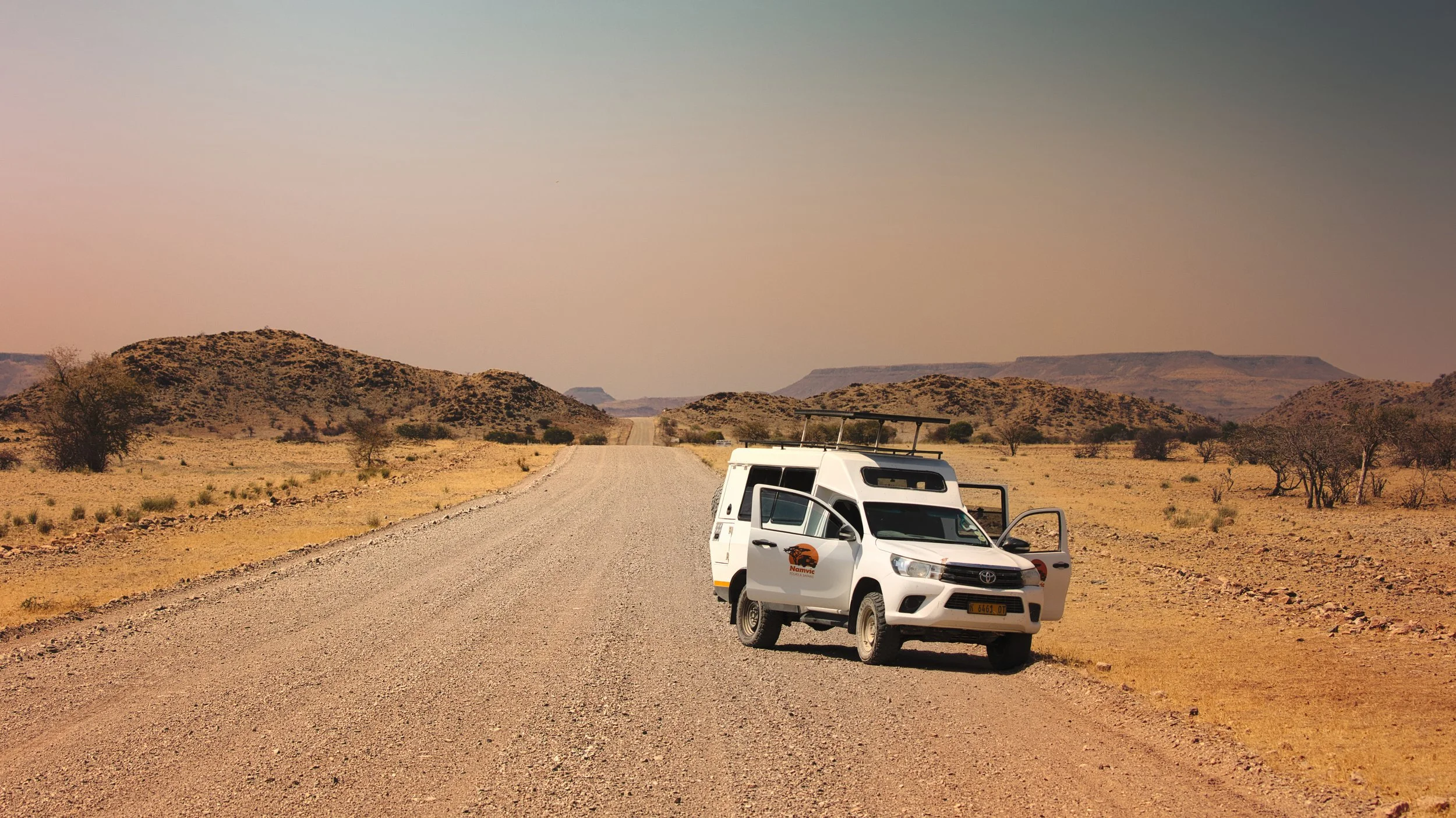
Self-drive means freedom — you're in control.
5. The Variety of Wildlife is Stunning
Let's talk about the animals. Etosha has the Big Five — well, four of the five (the rhinos are there, and they're black rhinos, which is a big deal). But it also has cheetahs, giraffes, zebras, and an incredible variety of birds.
Here's what I saw across two visits:
- Elephants — huge herds, often at waterholes, backlit at sunrise
- Lions — lounging in the grass, camouflaged and majestic
- Cheetahs — fast, elusive, and humbling
- Black Rhinos — critically endangered, and Etosha is one of the best places to see them
- Giraffes — elegant, towering, and always watching
- Zebras — in huge numbers, especially during the dry season
- Birds — secretary birds, lilac-breasted rollers, Cape glossy starlings, and more
It's not just the variety — it's the quality of the sightings. The animals are often close, the light is good, and the landscape provides a stunning backdrop.
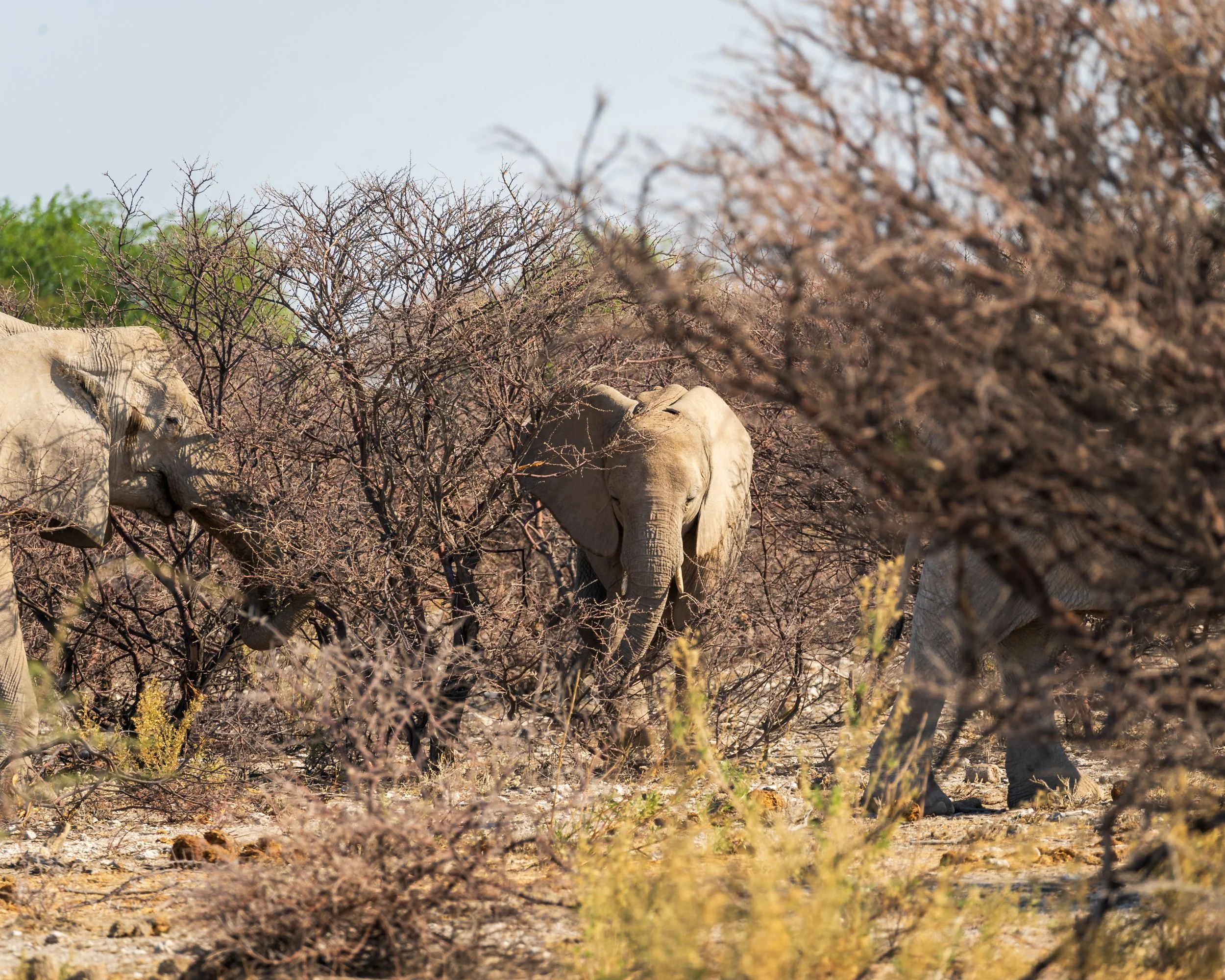
Elephants kicking up dust — iconic Etosha.
6. Night Photography is a Game-Changer
Most African parks close at sunset. In Etosha, you can stay at the floodlit waterholes after dark, and it opens up a whole new world of photography.
I spent a couple of evenings at the waterholes, and I saw rhinos, elephants, and lions at night. The lighting is tricky, but the results are unforgettable.
Black rhinos at night, drinking under floodlights, surrounded by the sounds of the African bush — it's an experience you won't get anywhere else.
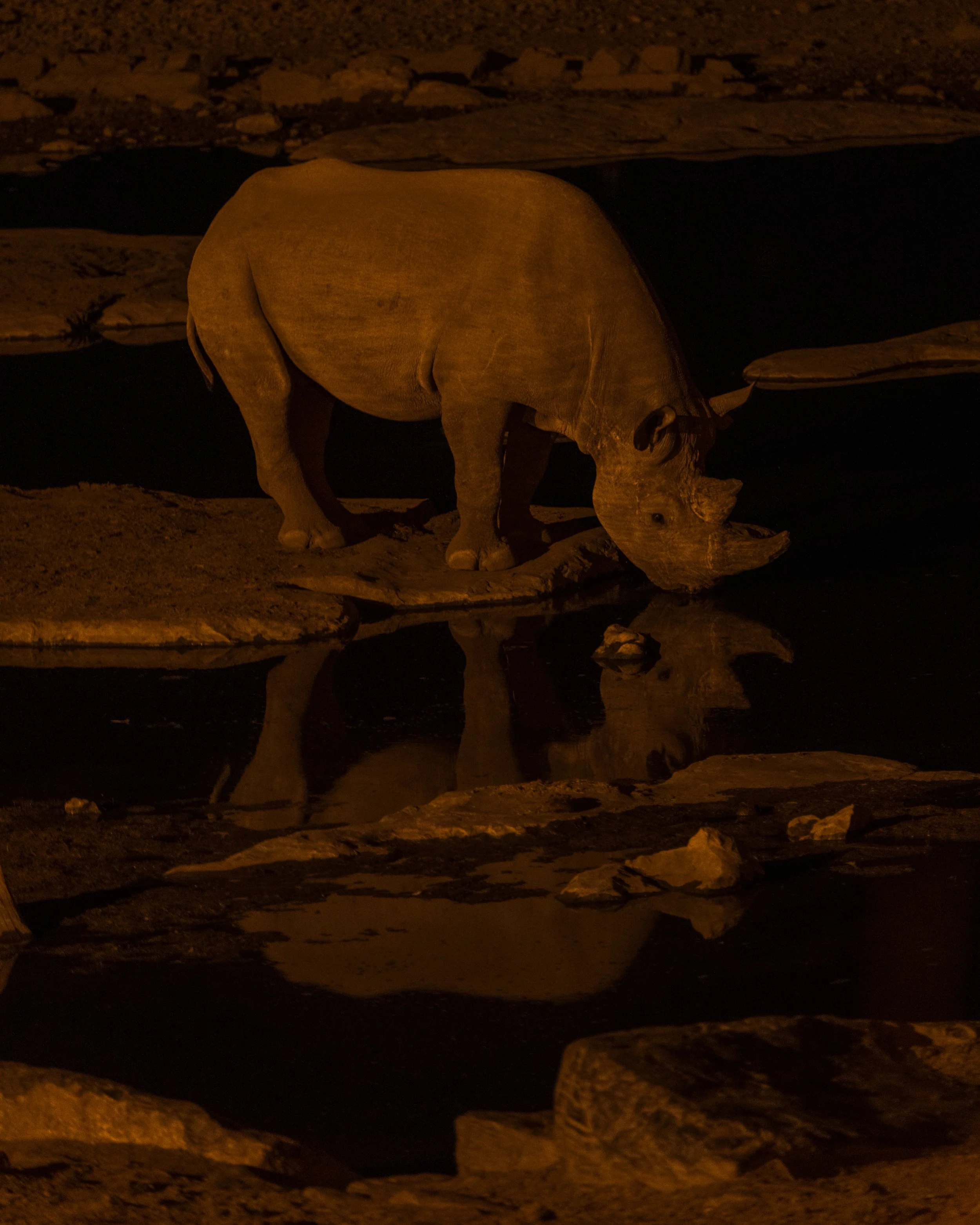
Black rhinos at night — a privilege to witness.
7. It's Less Crowded
I've been to parks in Africa where the traffic jams are worse than the M50. Etosha is not like that. Yes, it gets busy during peak season, but the park is so vast that you can always find a quiet spot.
On my second visit, I spent hours at waterholes with just a handful of other vehicles. It felt like I had the whole park to myself. That's a luxury you don't always get in more famous parks.
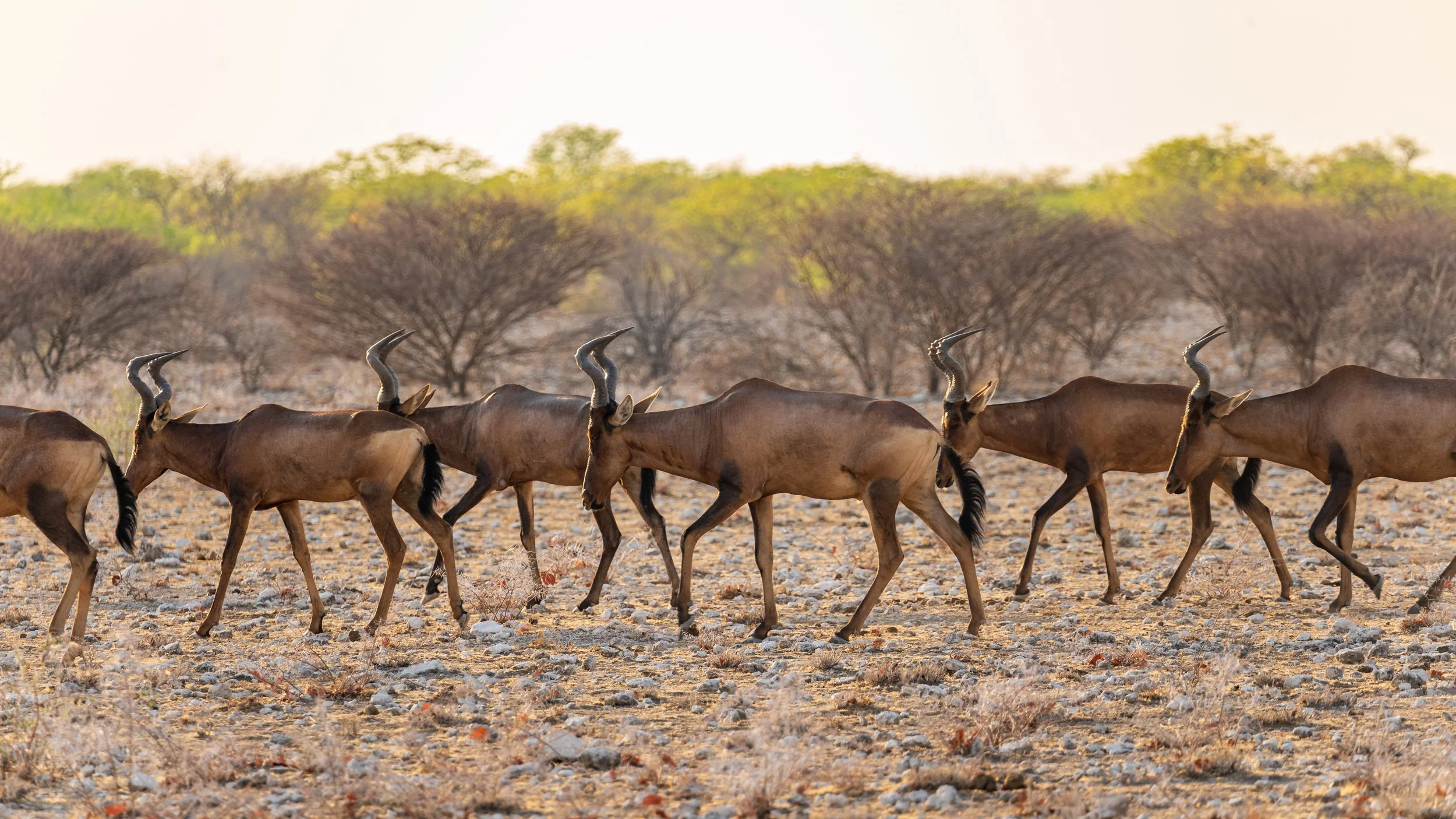
Quiet waterholes — just you, the animals, and the light.
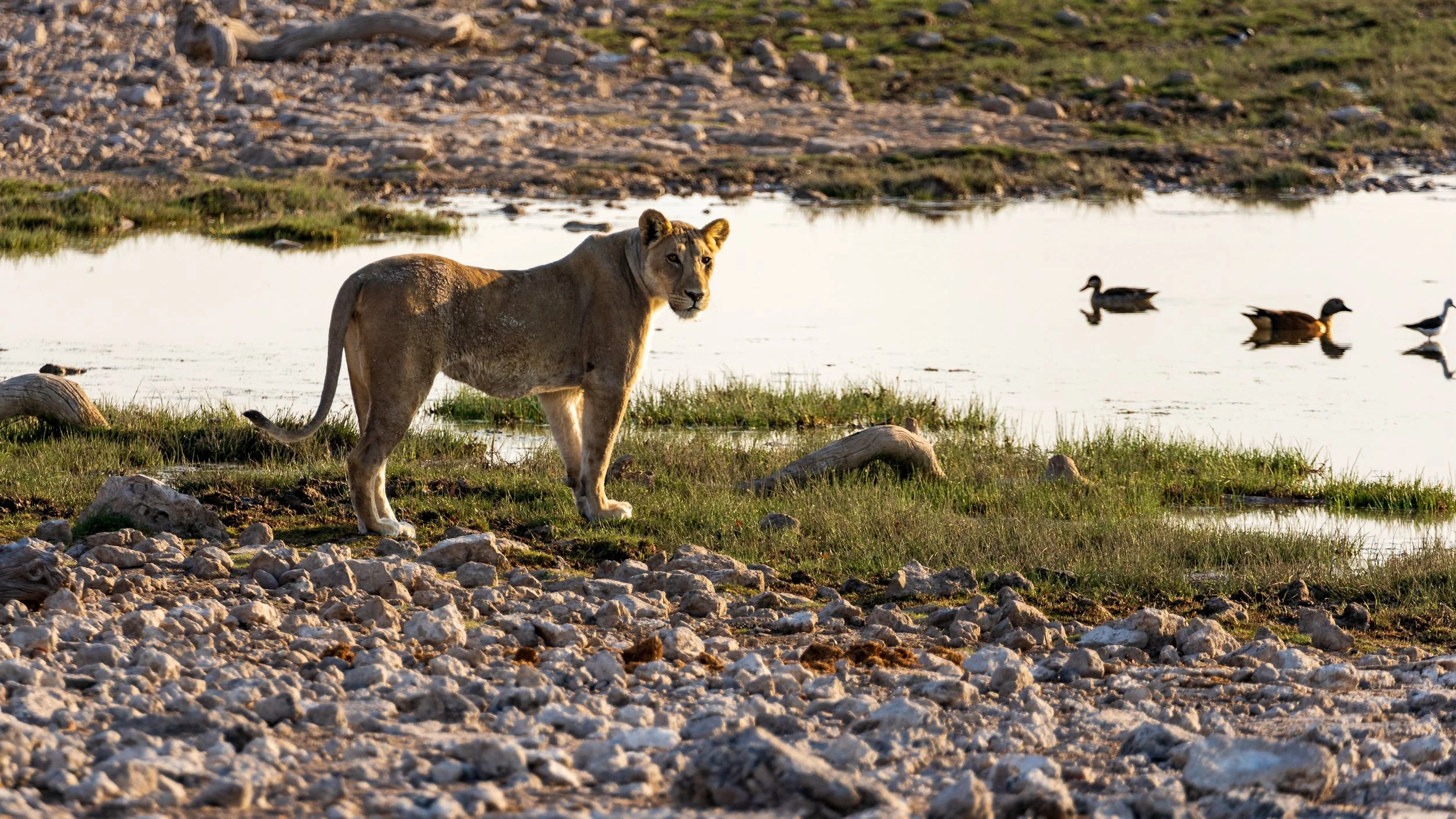
The vastness of Etosha means you're never crowded.
8. It's Affordable
This is a practical point, but it matters. Etosha is more affordable than many of the more famous parks in Africa. The entrance fees are reasonable, the accommodation is varied (from camping to comfortable lodges), and you're not forced to pay for expensive guided safaris.
You can self-drive, self-cater, and keep your costs down. That means more money for gear, more time in the park, and more photographs.
9. The Sense of Adventure
There's something about Etosha that feels more adventurous than other parks. Maybe it's the vastness, maybe it's the dust, maybe it's the sense of being at the edge of something wild. Whatever it is, it makes every trip feel like an expedition.
You're not just a tourist in a safari vehicle. You're an explorer, driving through a landscape that feels ancient and untamed. And that feeling translates into your photographs.
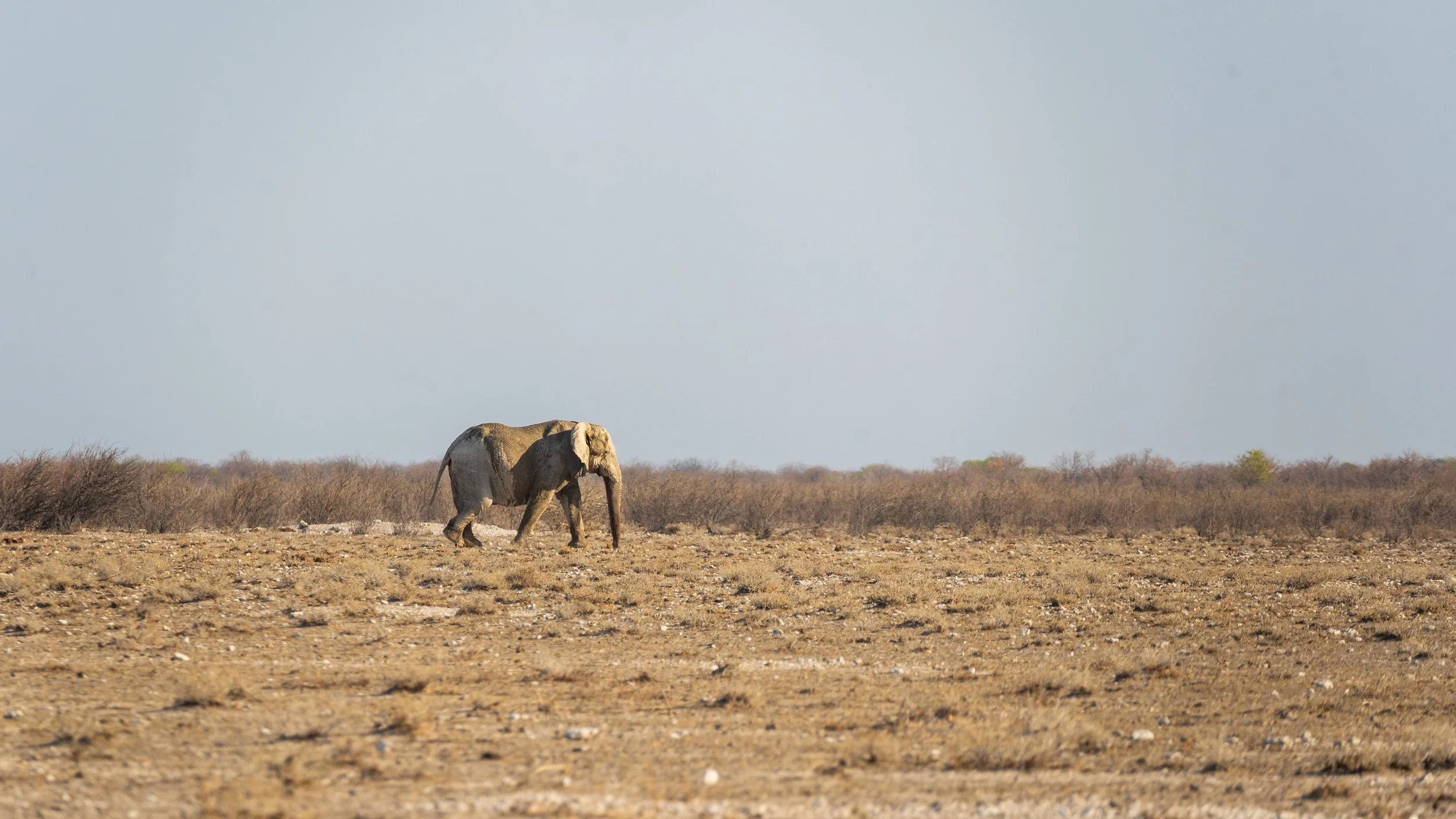
Etosha feels like an adventure every time.
Etosha vs The Rest — The Verdict
I've photographed wildlife in a few different places across Africa. Etosha is my favourite. It's not perfect — the dust is a nightmare, and the summer heat is brutal — but the images you can create there are second to none.
The landscape is unique. The waterhole strategy is reliable. The light is incredible. The wildlife is abundant. And the freedom of self-driving makes the whole experience feel personal and immersive.
If you're a wildlife photographer, and you haven't been to Etosha, put it on your list. And if you've been to other parks, I think you'll agree — Etosha is different. It's special.
Have you been to Etosha?
I'd love to hear how it compares to other parks you've visited. Drop a comment below, and I'll reply personally.
Ready to Photograph Etosha?
Namibia is a wildlife photographer's dream. If you'd like to experience Etosha National Park with a small group of like-minded photographers, I'd love to have you along. Small groups, real locations, and a focus on the art of seeing.
Explore Namibia Workshops →