Small-Group Photography Workshop
What to Expect
Your guide to the experience — from the first morning light to the final sign-off
If you've never been on a photography workshop before, it's natural to wonder what the experience is actually like. Will I keep up? Will I be the weakest link? Will I come home with images I'm genuinely proud of?
These are all questions I asked myself before my first workshop. And the answer, in my experience, is always the same: you'll be surprised by how much you learn, how quickly you grow, and how supportive the environment actually is.
This guide is designed to walk you through exactly what to expect from a small-group photography workshop with me, Neil Arthurs — from the rhythm of a typical day to the philosophy we call The Analog Ritual.
By the end, you'll know exactly what you're signing up for. And hopefully, you'll feel ready to take the leap.
Why Small Groups?
I limit every workshop to a maximum of 5–6 photographers. This isn't an arbitrary number — it's a deliberate choice.
In a small group, you get direct, one-on-one coaching in the field. There's no waiting for your turn. No feeling like you're being left behind. If you want to explore a composition, I'm right there with you. If you're struggling with a setting, I can show you immediately.
Small groups also mean genuine camaraderie. You'll share meals, conversations, and the occasional laugh at my expense. Past participants consistently say the group atmosphere was one of the highlights — and many of them have stayed in touch long after the workshop ended.
A Typical Day
Every day on a workshop follows a rhythm. It's designed to be productive without being exhausting.

The first light — we're in position before the sun crests the horizon.
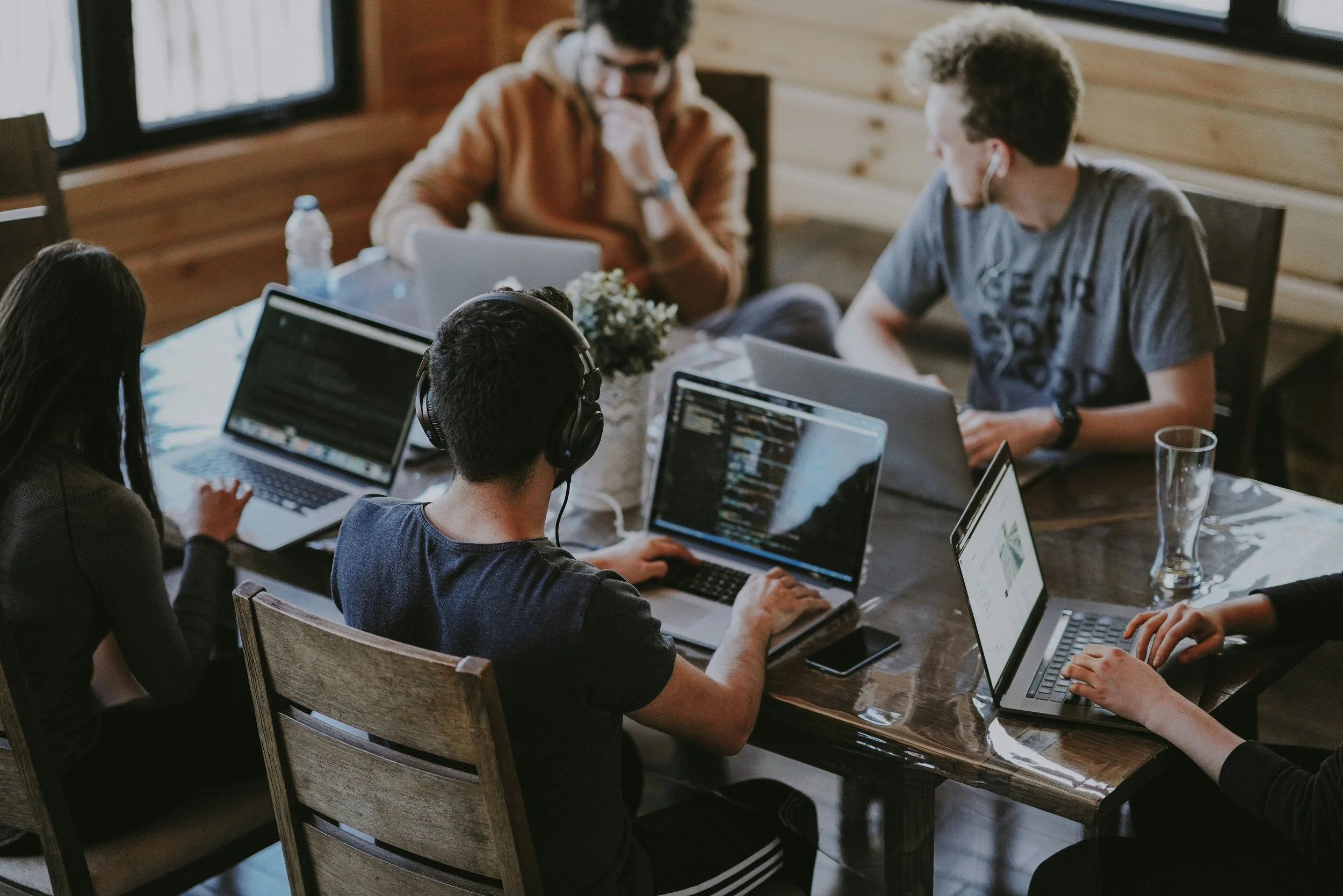
Photo by Annie Spratt on Unsplash- Midday — rest, recharge, and optional image reviews.
Morning — First Light
We're in position before the sun rises. I've already scouted the location, so you arrive, set up, and shoot. The exact time depends on the destination and season, but we're always on location for the best light.
Midday — Rest and Review
We retreat for brunch, rest, and optional image review sessions. This is your time — swim, edit, nap, or wander. I'm available for one-on-one feedback if you want it. No pressure, ever.
Evening — Golden Hour and Twilight
We head back out as the heat softens. The light is extraordinary — long shadows, warm tones, and three-dimensional landscapes. We shoot until the last colour drains from the sky. On clear nights, we stay out for astrophotography.
Night — Optional Astrophotography
At destinations like Namibia, Botswana, and the Algarve, we have some of the darkest skies on Earth. If conditions allow, we head out after dark to photograph the Milky Way. These sessions are optional — but nobody ever opts out.
The Teaching Style — The Analog Ritual
Photography is about more than just pressing the shutter. It's about slowing down, reading the light, and waiting for the moment instead of chasing it.
That's what I call The Analog Ritual. And it's at the heart of every workshop I run.
I don't teach you to shoot in the same way I shoot. I teach you to see — to find your own vision, to trust your instincts, and to make images that feel like you.
In practice, this means:
- One-on-one coaching — I'll work with you individually in the field
- No egos — I'm self-deprecating, supportive, and honest
- Flexible schedules — we adapt to the weather and the light
- Optional editing sessions — I'm available to review your images if you want feedback
- No pressure — this is supposed to be fun
Who Are These Workshops For?
There's a common misconception that you need to be a professional photographer to join a workshop. This simply isn't true.
You should be comfortable shooting in manual mode. You don't need to be a pro — you just need to know aperture, shutter speed, and ISO.
You should be open to learning and trying new things. A workshop is an investment in yourself. If you're ready to grow, you're ready to join.
You should be physically capable of walking short distances and carrying your gear. Some destinations involve more walking than others — I'm always honest about the fitness level required.
You should be comfortable with a flexible schedule. Weather and light are unpredictable. We adapt.
Past participants have ranged from beginners to experienced photographers. The common thread? A desire to improve, a willingness to learn, and a sense of adventure.
What's Included
Every workshop includes:
- Photography instruction — all sessions led by me
- Accommodation — twin sharing (single supplements available on request)
- Transport — all road transport during the workshop
- Park permits and entry fees — where applicable
- A small group — maximum 5-6 photographers
What's not included:
- International flights
- Meals and drinks (except where specified)
- Travel insurance (mandatory — I'll recommend providers)
- Personal expenses
What You'll Learn
Every workshop is different because every location is different. But here are some of the skills you'll develop:
- Composition — seeing the frame before you press the shutter
- Light reading — understanding how light shapes a scene
- Long exposure — creating movement and drama
- Astrophotography — capturing the Milky Way (where conditions allow)
- Post-processing — optional editing sessions with real feedback
- Finding your vision — developing a personal style
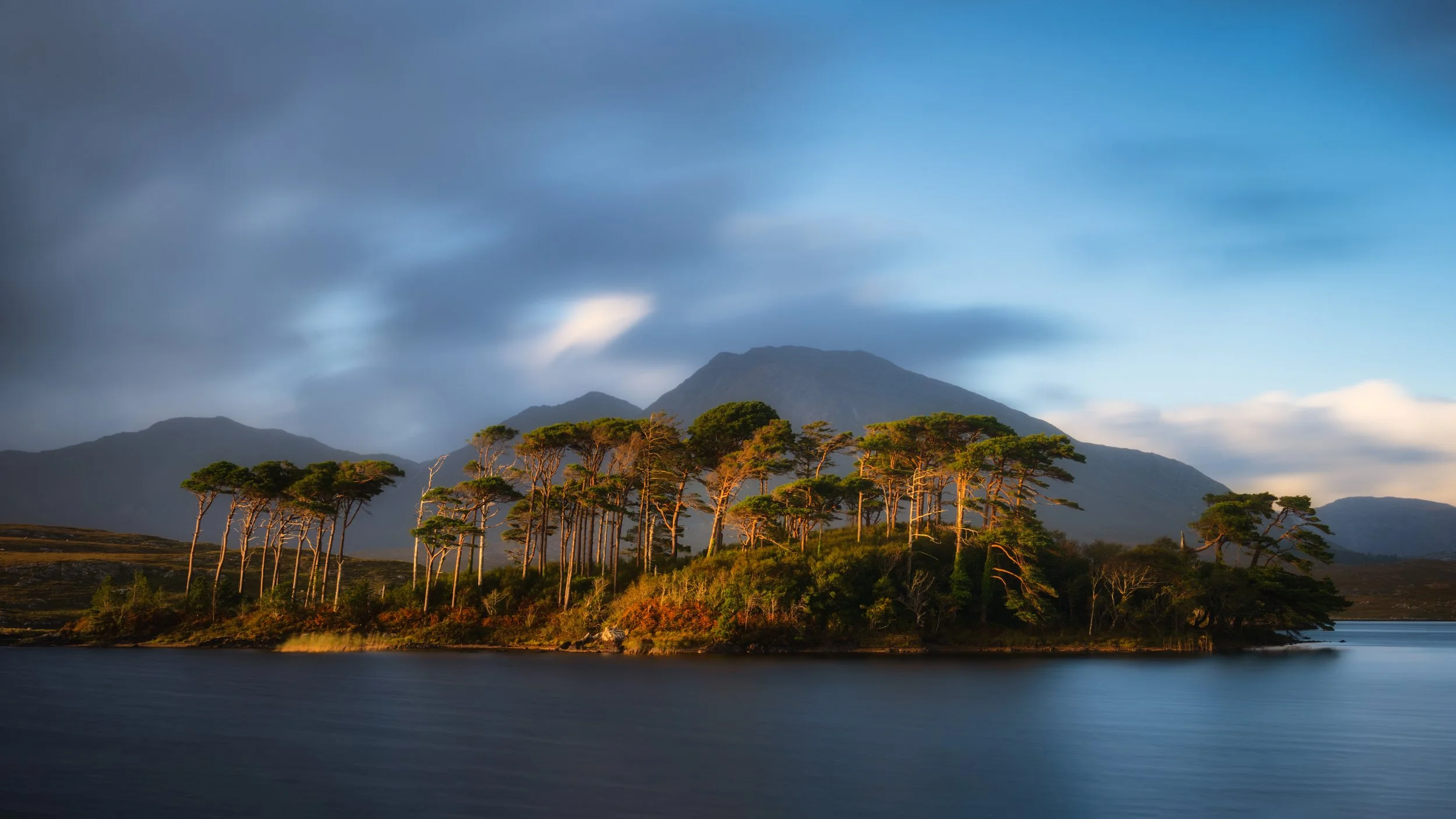
Long exposure — turning water into mist and clouds into motion.
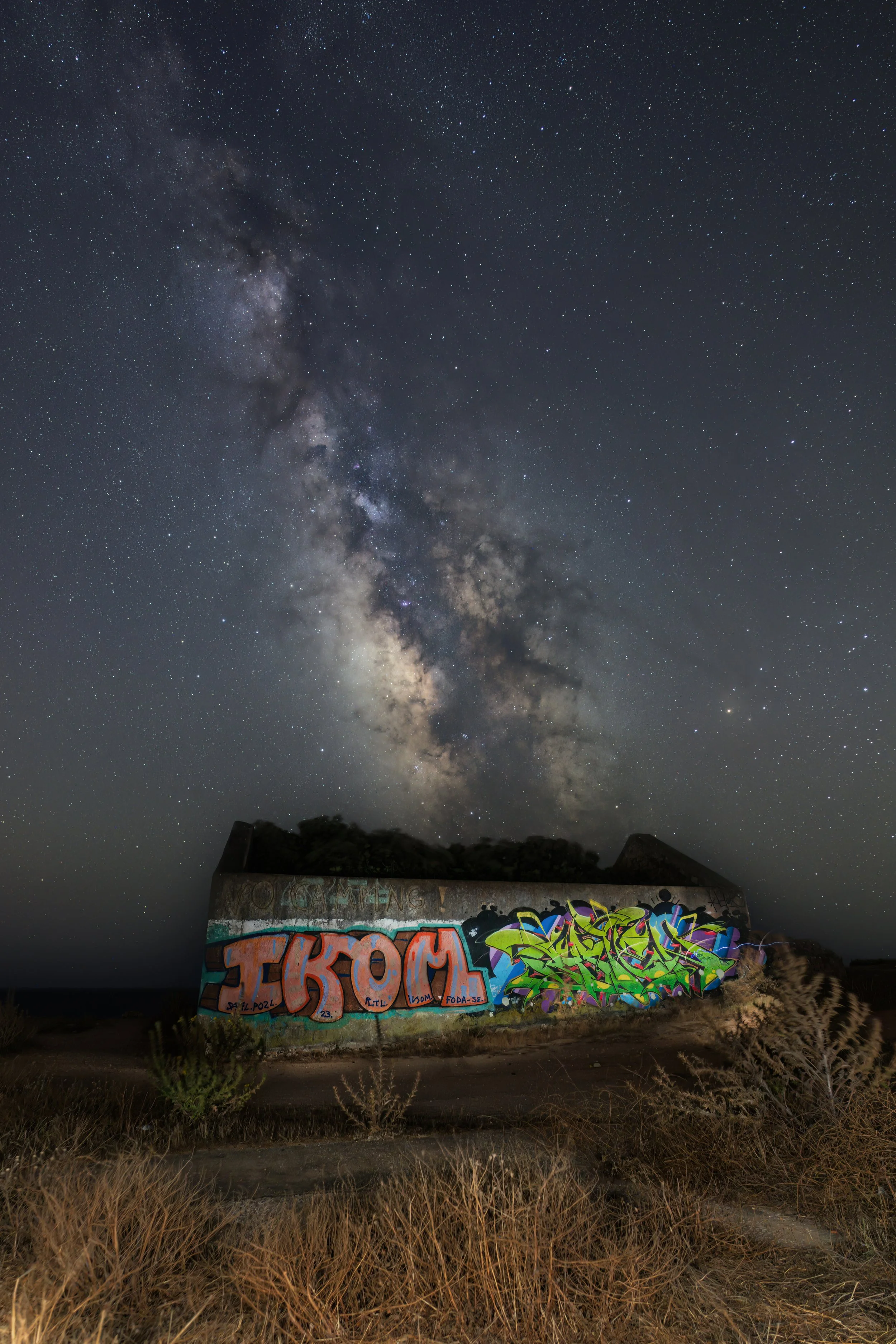
Astrophotography — capturing the Milky Way under dark skies.

Composition — finding the frame before you press the shutter.
Frequently Asked Questions
What if I'm a beginner?
If you know how to shoot in manual mode, you're ready. I've worked with photographers at every level — from absolute beginners to experienced pros. The key is a willingness to learn and a sense of adventure.
What camera gear should I bring?
A wide-angle lens (16-35mm equivalent) is essential for landscapes. A telephoto (70-200mm) is useful for compressing scenes and isolating details. A sturdy tripod is mandatory for long exposures and astrophotography. I send a full gear guide after booking.
Will I get one-on-one attention?
Yes. With a maximum of 5-6 photographers, I can give direct, personalised coaching in the field. You won't be left behind or overlooked.
What if the weather is bad?
Bad weather is good weather for photography. Storm clouds, fog, and dramatic skies often create the most memorable images. We adapt and we make the most of every moment.
I'm travelling alone — will that be a problem?
Not at all. The majority of participants on every trip book solo. You'll be paired with a same-gender roommate. The small group creates a close, supportive dynamic — past participants often stay in touch long after the workshop ends.
The Bigger Picture
A photography workshop is an investment in yourself — in your skills, your vision, and your creative confidence. It's also an adventure: a chance to stand in extraordinary places, make new friends, and come home with images that tell a story.
I've been running workshops for years, and I still get excited about every single one. There's something about watching someone learn, grow, and make an image they're genuinely proud of that never gets old.
I'd love to have you along for the journey.
Ready to Join a Workshop?
Explore upcoming workshops in Japan, Patagonia, Namibia, Botswana, Ireland, the Algarve, and Lofoten. Small groups, real locations, and a focus on the art of seeing.
Explore Workshops →