How to Choose the Right Landscape Photography Workshop for Your Skill Level
How to Choose the Right Landscape Photography Workshop
A practical guide to finding the perfect fit — from skill level to instructor experience
You've decided you want to join a photography workshop. But which one? This guide walks you through exactly how to choose the right workshop for your skill level — from assessing your own abilities to evaluating instructors, locations, and logistics. If you're planning to travel to a workshop, consider getting an eSIM from Airalo to stay connected without expensive roaming charges.
You've decided you want to join a photography workshop. But now comes the tricky part: which one?
There are so many options out there — different destinations, different instructors, different price points. And if you're a beginner, it can feel overwhelming trying to figure out which workshop is actually right for you.
In this guide, I'm going to walk you through exactly how to choose the right workshop for your skill level. We'll cover what to look for in an instructor, what to look for in a location, and how to assess your own needs honestly.
Because the right workshop can be life-changing. The wrong one can be disappointing. Let's make sure you get the right one.
Step 1: Assess Your Skill Level Honestly
Before you start looking at workshops, you need to be honest with yourself about where you are in your photography journey.
Beginner
- You know how to shoot in manual mode (mostly)
- You understand aperture, shutter speed, and ISO
- You've taken photos you're proud of, but you're not consistent
- You want to learn the fundamentals properly
- You'd benefit from patient, encouraging instruction
Intermediate
- You're comfortable in manual mode
- You understand composition and light
- You've had some success, but you feel stuck or plateaued
- You want to refine your style and push your skills further
- You're looking for creative inspiration and fresh perspectives
Advanced
- You're a confident, experienced photographer
- You're looking for specific technical or artistic challenges
- You want access to locations that are hard to reach alone
- You're interested in post-processing techniques or specialist skills
- You want to be in a group of peers who push you
Be honest with yourself. There's no shame in being a beginner — every single photographer was a beginner once. The only wrong choice is choosing a workshop that doesn't match your level.

Beginners need patient, encouraging instruction and small groups.
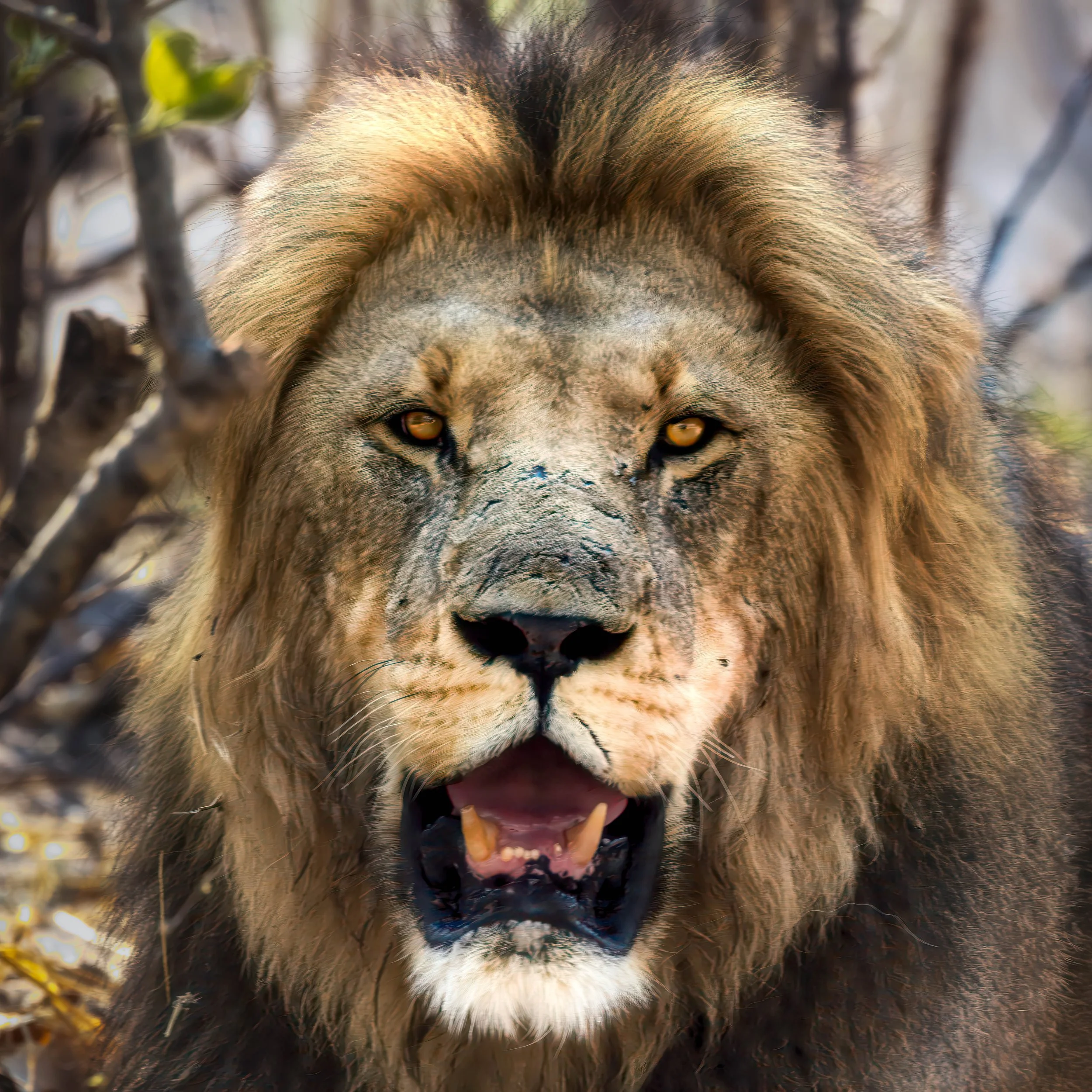
Advanced photographers may want specialist locations and techniques.
Step 2: What to Look For in an Instructor
Your instructor is the most important factor in a workshop. A good instructor can transform your photography. A poor one can be a waste of time and money.
1. Teaching Experience (Not Just a Portfolio)
A great photographer isn't necessarily a great teacher. Look for instructors who have a proven track record of teaching — not just beautiful images.
Check for:
- Student testimonials — what do past participants say?
- Teaching history — how many workshops have they run?
- Clear communication — do they explain things in a way you can understand?
- Patience and encouragement — do they make you feel supported?
2. One-on-One Time and Group Size
This is crucial. A small group (5-6 photographers) means you get direct, personal attention. A large group (15-20 photographers) means you'll be fighting for position and waiting your turn.
Ask:
- How many people are in the group?
- How much one-on-one feedback will I get?
- Is there a mentor or assistant as well?
3. Student Testimonials and Reviews
Read what past participants have said. Look for reviews that mention:
- The instructor's teaching style
- What they learned
- Whether they felt supported
- Whether the workshop lived up to expectations
Step 3: What to Look For in a Location
The location matters — but not in the way you might think.
1. Match the Location to Your Goals
If you want to improve your seascape photography, choose a coastal workshop. If you want to learn astrophotography, choose a location with dark skies. If you want to practice composition, choose a location with variety.
Think about what you want to photograph, and choose a workshop that offers that.
2. Seasonal Timing and Light
Different locations have different "best" seasons. Research the seasonal light, weather patterns, and conditions. A workshop at the wrong time of year could mean limited opportunities.
For example:
- Autumn in Japan — incredible koyo colours
- March in Lofoten — prime aurora season
- October in Namibia — perfect desert light
- September in the Algarve — golden September light
3. Fitness Requirements
Be honest about your fitness level. Some workshops involve long hikes, dune climbing, or rough terrain. Others are easy-access roadside locations.
Most workshops have a fitness guide in the details. If they don't, ask.
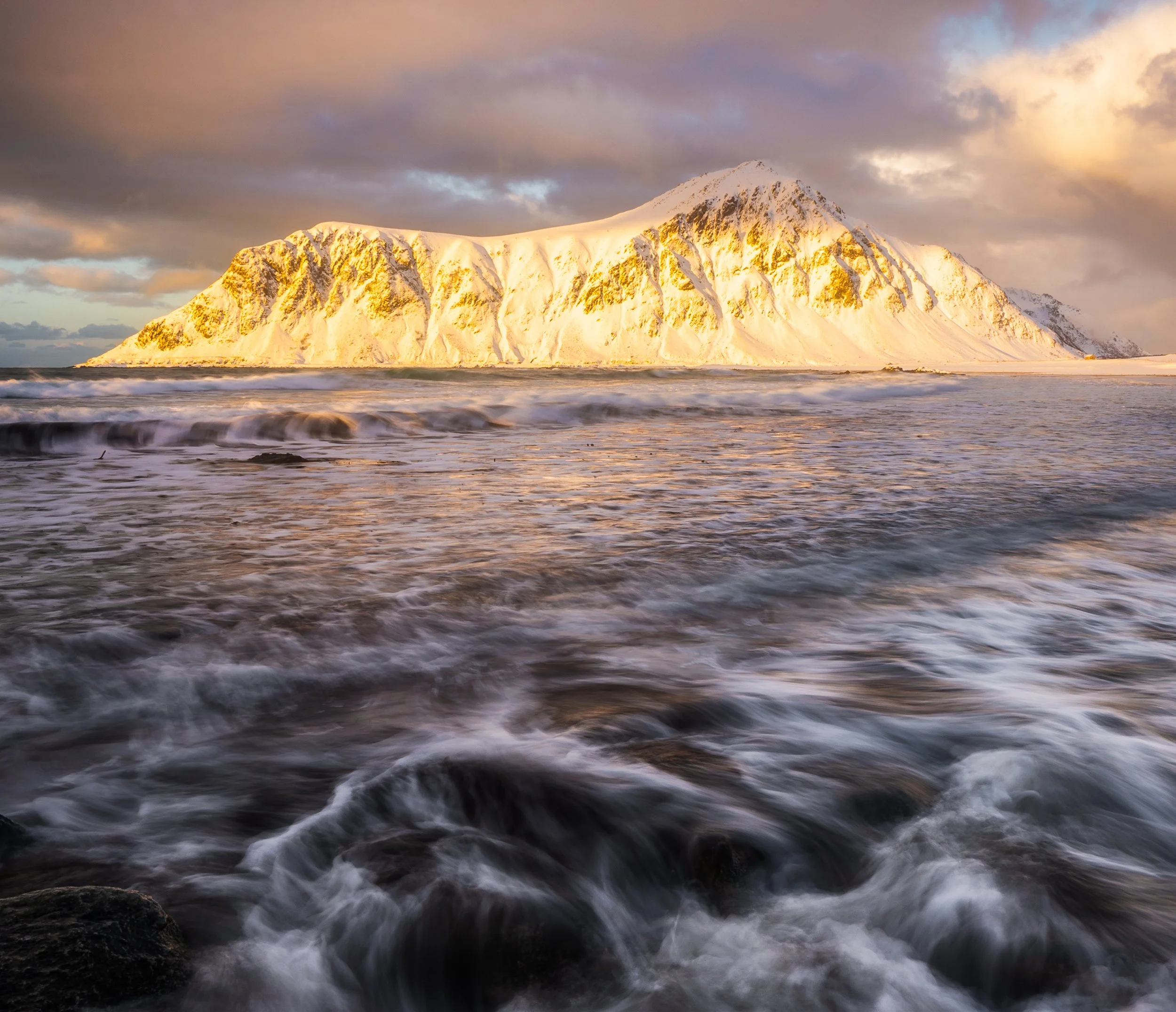
Coastal workshops — perfect for seascape and long exposure photography.
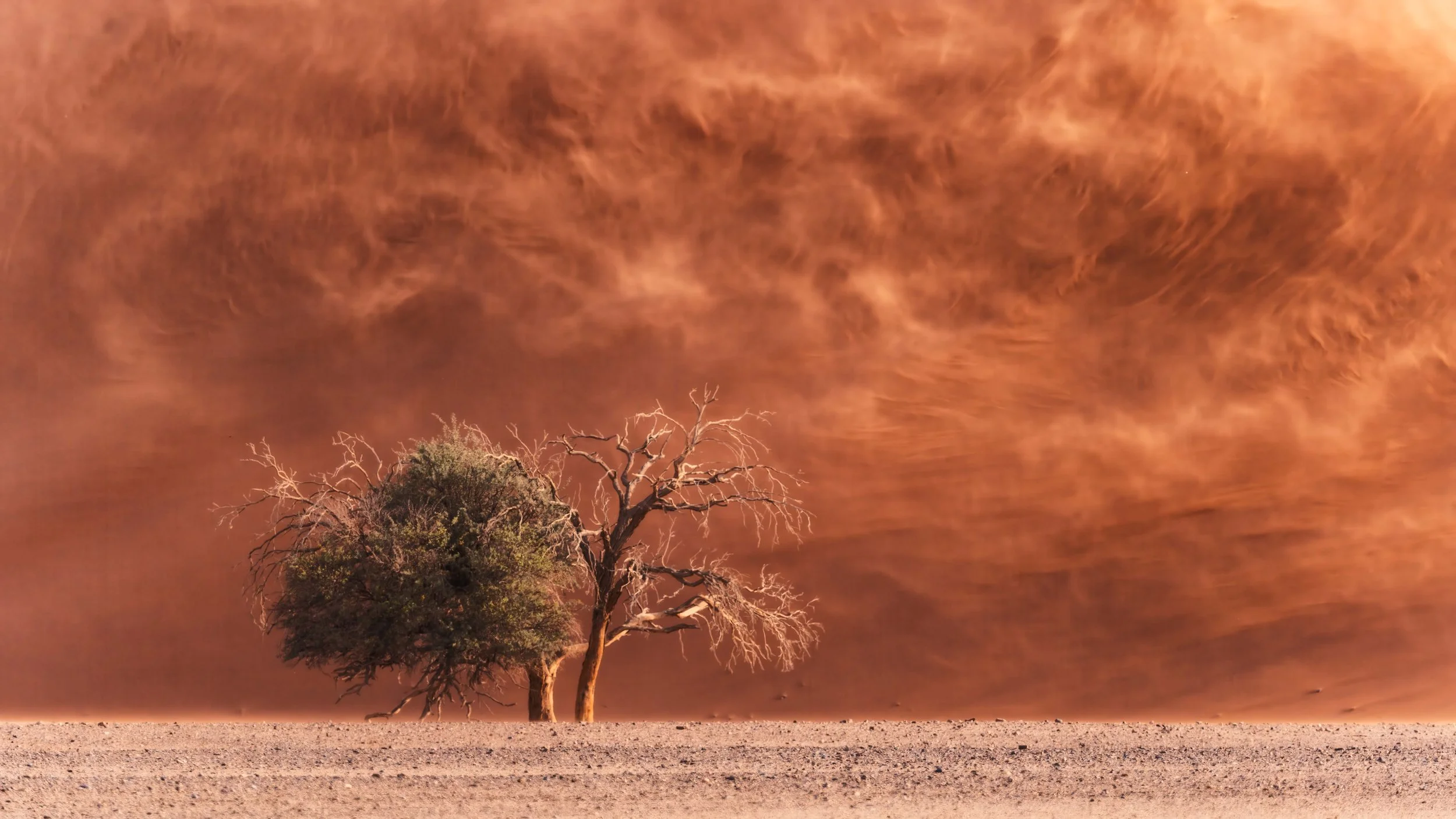
Desert workshops — dramatic light, vast landscapes, and dark skies.
Step 4: Logistics and Practicalities
Don't overlook the practical details. These can make or break a workshop.
- What's included? — accommodation, transport, meals, permits?
- What's not included? — flights, insurance, personal expenses?
- Group size — is it small enough for personal attention?
- Cancellation policy — what happens if you need to cancel?
- Insurance — is travel insurance mandatory? (It should be.)
A good workshop provider will be transparent about all of this. If they're vague or evasive, that's a red flag.
Step 5: My Workshops — By Skill Level
Every workshop I run is designed to be accessible to photographers of all levels. But some are better suited to beginners, and others are better suited to more experienced photographers.
Here's a quick guide:
| Workshop | Skill Level | Key Features |
|---|---|---|
| 🇵🇹 Algarve Workshop | Beginner All | Single base, easy fitness, coastal light, long exposure |
| 🇳🇴 Lofoten Workshop | Beginner All | Arctic light, Northern Lights, roadside access |
| 🇯🇵 Japan Workshop | Beginner All | Autumn colours, historic villages, street photography |
| 🇳🇦 Namibia Workshop | Intermediate All | Dunes, ghost towns, Skeleton Coast, helicopter flight |
| 🇧🇼 Botswana Workshop | Intermediate All | Wildlife, safaris, Okavango Delta, Chobe |
| 🇦🇷 Patagonia Workshop | Intermediate All | Mountains, glaciers, Torres del Paine, Fitz Roy |
Important: If you're a beginner but you're eager and willing to learn, you're welcome on any workshop. The main difference is the difficulty level of some locations. I'll always be honest about what to expect.
The Bottom Line — How to Choose
Here's a simple checklist to help you make your decision:
- Be honest about your skill level — and choose a workshop that matches it
- Look for an instructor who can teach — not just shoot
- Prioritise small groups — you want personal attention
- Choose a location that excites you — you'll shoot better when you're inspired
- Check the logistics — make sure you understand what's included
- Read the testimonials — see what past participants actually thought
And if you're still unsure? Reach out and ask. I reply personally to every enquiry and I'm always happy to help you decide which workshop is right for you.
Planning your own adventure? Before you go, make sure you have comprehensive travel insurance for peace of mind. I use EKTA Travel Insurance for all my adventures — it's reliable, affordable, and covers the unexpected.
Still Trying to Decide?
I'd be happy to help you choose the right workshop for your skill level and goals. Just reach out — I reply personally to every enquiry.
Explore All Workshops →